
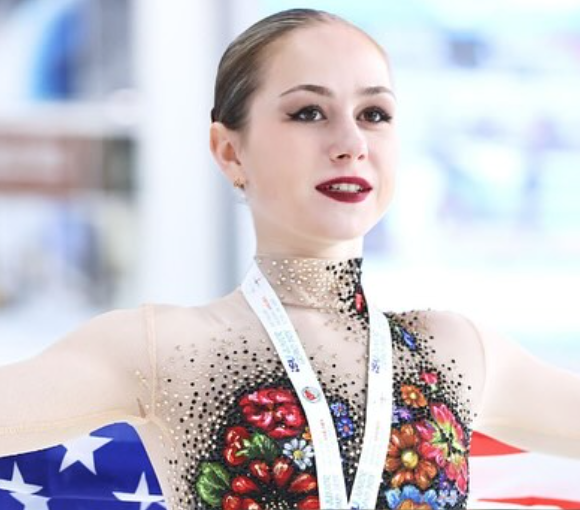
Sophie Joline von Felten heads to figure skating nationals free from Olympic pressure
/
Ice skating had been a big part of Inna von Felten’s childhood in Russia.
Her father, Yuri, was a city speedskating champion in Moscow. And when Soviet sports officials visited her kindergarten to look for potential athletes, a key part of the country’s talent identification system, they thought the smallish Inna fit the physical parameters for a pairs figure skater. She would skate pairs from age 4 to 13, her competitive career ended by a knee injury.
Yet the initial motivation for Inna to have her only child, Sophie Joline, try figure skating came from elsewhere.
Inna and her Swiss husband, Daniel von Felten, were on a Christmas holiday trip to Paris when they saw a pop-up seasonal rink on the Champs-Elysees. The setting was so magical Inna imagined skating there one day with her daughter, and she found out young children were allowed on the adult part of the rink with a parent if they could skate unassisted.
“I had her try skating to make my wish come true,” Inna said.
What followed was a clear example of needing to be a little careful about what you wish for. The wish has morphed into a dream come true for her daughter, and it has turned the family’s life into a bi-continental adventure.
Read More
