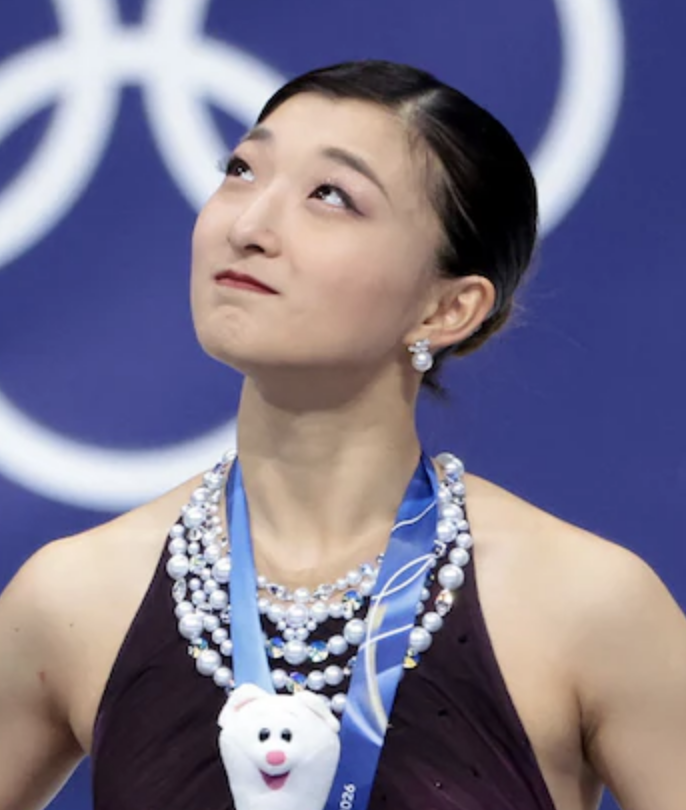
Kaori Sakamoto saves best for last in farewell to competitive skating

Kaori Sakamoto saves best for last in farewell to competitive skating

There is an old adage in show business that advises performers to always leave them wanting more.

Kaori Sakamoto of Japan did that Friday at the World Championships in Prague.

Alas, there will be no more of Sakamoto in competition. At 25, she is leaving that side of figure skating with a fourth world title and an indelible legacy of greatness.

“If you want me to talk about her achievements, you wouldn’t be able to stop me from going on forever,” said her teammate, Mone Chiba, who finished second.

She saved the best — at least by scoring standards — for last, winning with a personal best in the free skate and the highest component scores ever in both the free and short programs.

Read More
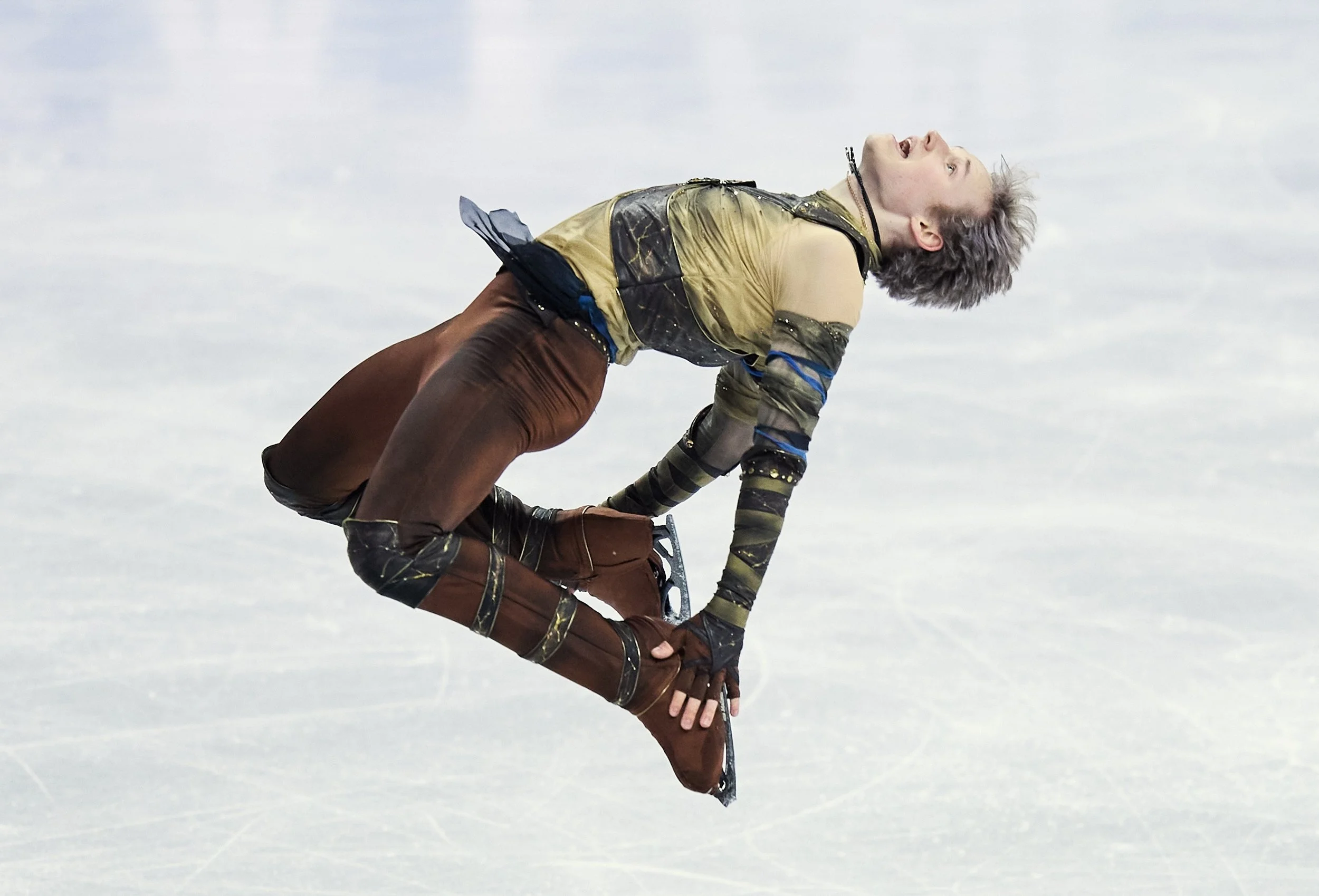
Ilia Malinin puts Olympics behind him with historic World Championships short program

Ilia Malinin puts Olympics behind him with historic World Championships short program

This was the Ilia Malinin everyone had expected to see on that fateful night at last month’s Winter Olympics in Milan.

The one who Thursday did a program with easily the hardest jumps of anyone in the field at the World Championships in Prague.

The one who nailed them all — quadruple flip, then triple Axel, then quadruple Lutz-triple toe loop combination — to command the short program and build a lead of nearly 10 points in his bid for a third straight world title in men’s singles.

Or maybe not quite that Ilia.

“This is another version of me, another part of me that just appeared out of nowhere, the person not trying to put so much expectations on me,” Malinin said Thursday. “This is me just wanting to enjoy doing what I love.”

Read More

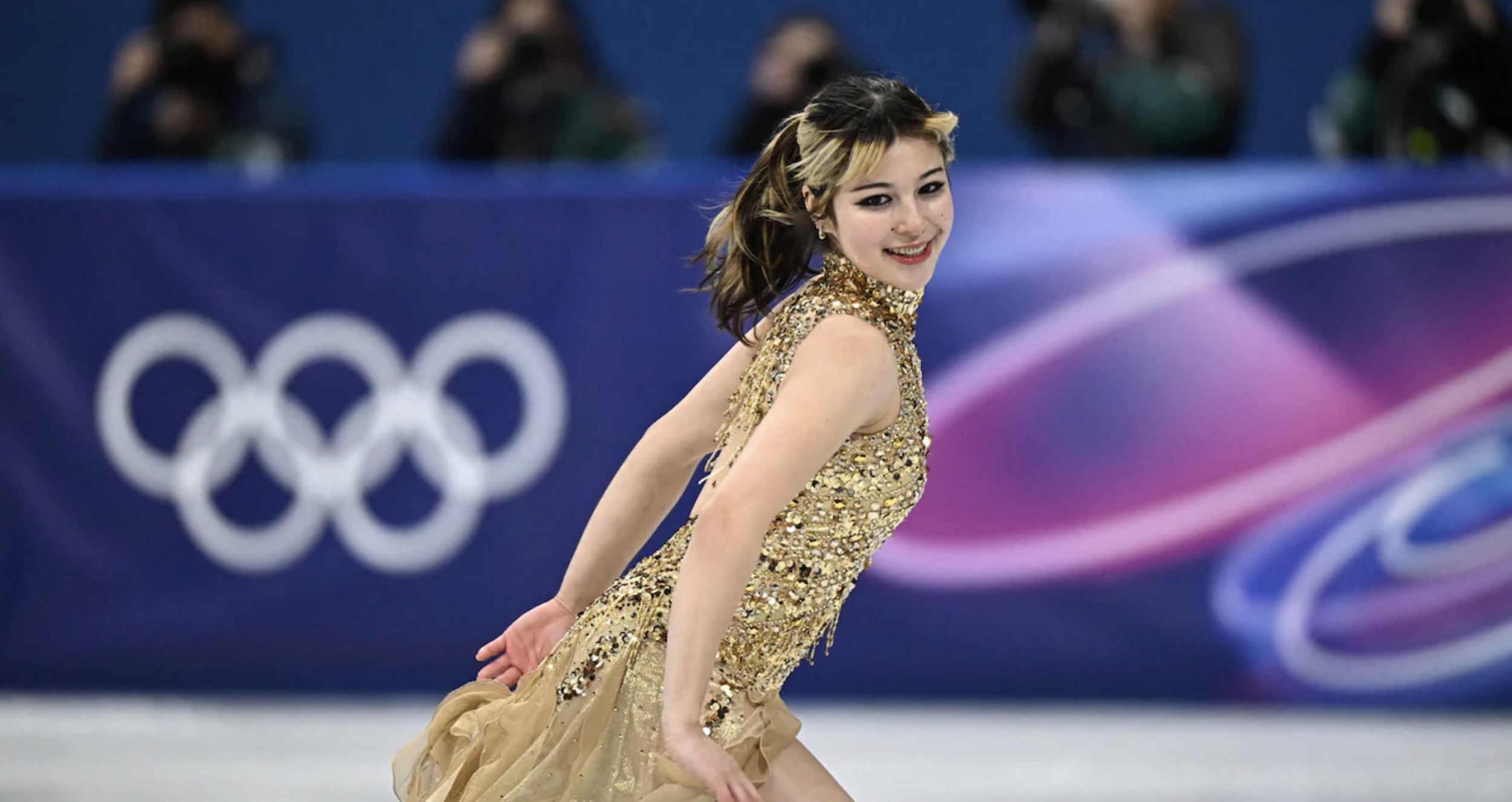
Amber Glenn in medal position after worlds short program

Amber Glenn in medal position after worlds short program

The triple Axel is the first and hardest jump in Amber Glenn’s programs, the jump only she completed in Wednesday’s short program at the World Figure Skating Championships in Prague.

It is a high-value jump of such relative difficulty that Japan’s Ami Nakai, the Olympic bronze medalist, was the only other woman among the 33 total competitors even to attempt it, and Nakai managed just a double.

It is also a jump that Glenn now has mastered, landing 12 of 13 attempts this season prior to worlds, getting positive grades of execution (GOEs) on all but three.

But when Glenn found herself leaning too far forward on the Axel takeoff after having botched two of three attempts in the warm-up before the short, you could understand why this talented skater who has battled self-doubt throughout her long career might begin to wonder if this was going to be déjà vu all over again.

Would her chances at a medal disappear after a big mistake in the short program, as had happened in last month’s Olympics and at previous world championships, when she had to go into the free skate looking for redemption rather than hardware?

Read More

With four Olympic medals, Kaori Sakamoto didn't need gold to cement her legacy

With four Olympic medals, Kaori Sakamoto didn't need gold to cement her legacy

Kaori Sakamoto knew well before the scores were announced. She skated off the ice Thursday night at the Milano Ice Skating Arena with a glum expression on her face. She could sense that the one jump she couldn’t pull off in her free skate was going to keep her from the gold medal.

Alysa Liu, the soon-to-be champion, got up from the leader’s chair as soon as Sakamoto left the ice surface. Liu hugged Sakamoto tight and long. A tear worked its way slowly down Sakamoto’s right cheek. More tears would flow later from the most decorated women’s figure skater in Japanese history.

“I really wanted to skate perfectly here,” Sakamoto said via an interpreter. “Knowing that I couldn’t, and it was the difference for the gold, was painful. I couldn’t stop the tears.”

This was her third and last Winter Olympics. The second, four years ago, had also ended in tears so strong her body shook as she wept. Those tears looked like a mixture of happiness over winning what she calls “a miracle” bronze medal and relief over simply surviving the chaos surrounding the women’s singles event in Beijing.

Read More

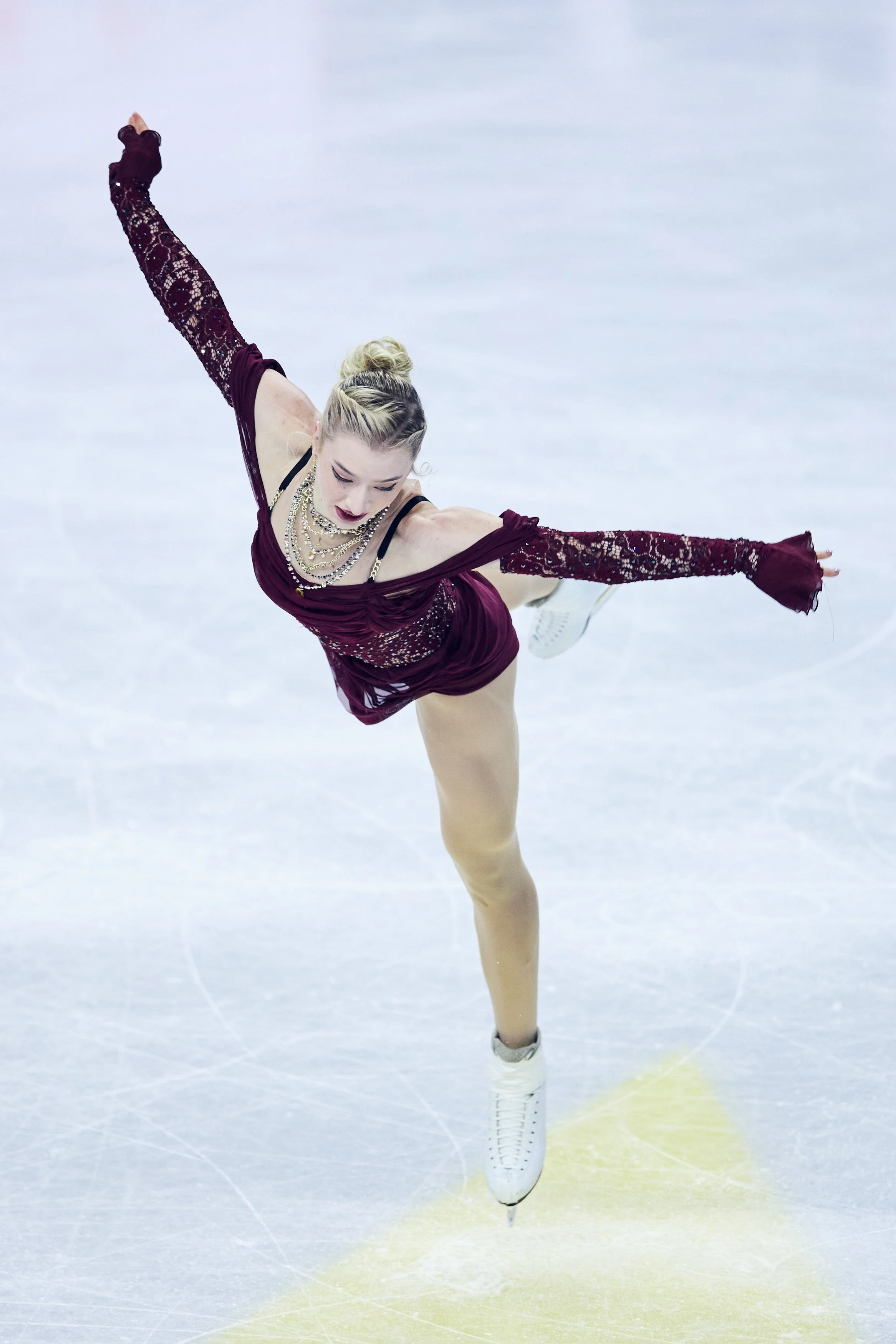
Alysa Liu is the champion who can't stop smiling

Alysa Liu is the champion who can't stop smiling

You write this screenplay for a biopic about a figure skater and take it to Hollywood.

You start with a kid whose immigrant father puts her on the ice at age 5. You skip ahead to show her as a 13-year-old beating adults to win national titles when she is too young to compete at even the junior level internationally. You get her to the 2022 Winter Olympics in Beijing when she is just 16.

You have her retire a few months later because she hates a sport that is no longer what she wants to do, hates that it has consumed her life.

You have a great section where she tosses her skates into a closet, where they stay while she hangs out with her friends and four siblings and starts college. Then you watch her take them out 18 months later, go to a rink and land a triple jump as if she never had been away. You see her convince her old coaches to take her back because she wants to compete again — on her terms, not someone else’s.

You make the kid who once saw her sport as a grim exercise to be endured turn into a young woman who can’t stop smiling as she skates and practices skating and, heck, maybe even as she sleeps.

And that’s not even the half of it (don’t forget the spies) before you get to the final scene.

Read More