Top skaters, dismayed by proposed rules changes, ask international federation to hear their voices

Top skaters, dismayed by proposed rules changes, ask international federation to hear their voices

 Four months after circulating a set of rules modification proposals that would have radically transformed the sport of figure skating as early as the 2027-28 season, the International Skating Union has apparently decided to hold off on trying to implement any such cataclysmic changes until at least after the next Winter Olympics in 2030.

The ISU will go ahead next season with previously approved changes that could be seen as laying some ground work for the proposals that would essentially reinvent the sport.

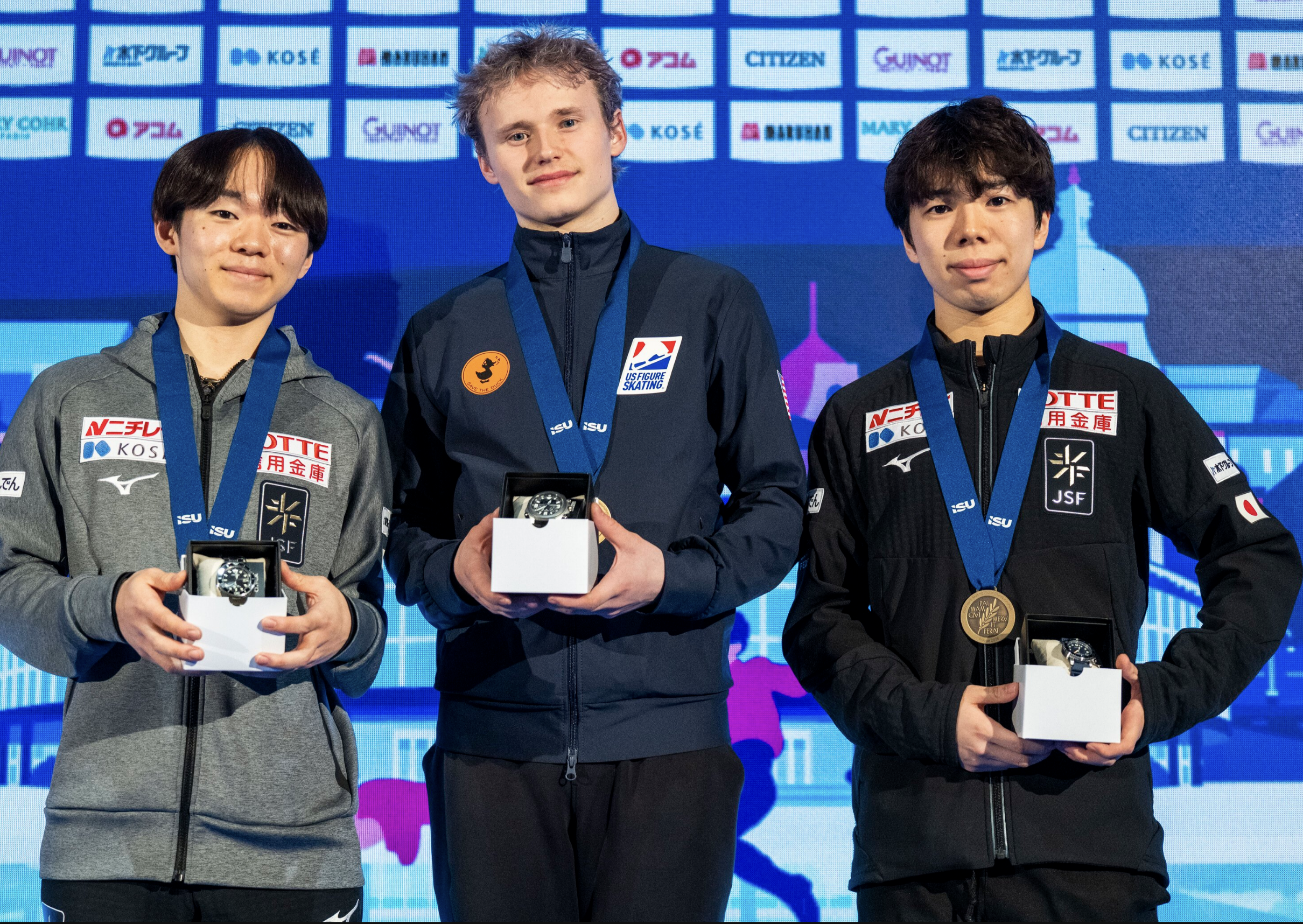
In the interim, the ISU pooh-bahs would do well by listening on repeat to a recording of answers given by the three men’s medalists at the recent World Championships to a questioner who asked for their thoughts about the changes.

Or maybe the ISU should already have sought their opinions - and those of all other singles skaters at the world meet level – before imposing new rules on the athletes - especially the changes under discussion that would have as much (or more?) impact on the sport as the end of compulsory figures in 1990 and the introduction of the International Judging System in 2004.

Read More
With four Olympic medals, Kaori Sakamoto didn't need gold to cement her legacy

With four Olympic medals, Kaori Sakamoto didn't need gold to cement her legacy

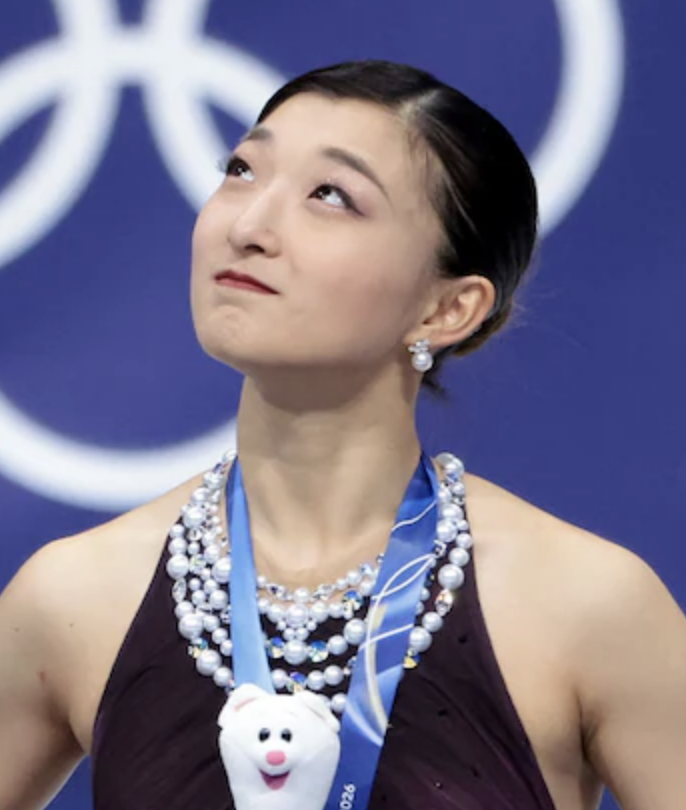
Kaori Sakamoto knew well before the scores were announced. She skated off the ice Thursday night at the Milano Ice Skating Arena with a glum expression on her face. She could sense that the one jump she couldn’t pull off in her free skate was going to keep her from the gold medal.

Alysa Liu, the soon-to-be champion, got up from the leader’s chair as soon as Sakamoto left the ice surface. Liu hugged Sakamoto tight and long. A tear worked its way slowly down Sakamoto’s right cheek. More tears would flow later from the most decorated women’s figure skater in Japanese history.

“I really wanted to skate perfectly here,” Sakamoto said via an interpreter. “Knowing that I couldn’t, and it was the difference for the gold, was painful. I couldn’t stop the tears.”

This was her third and last Winter Olympics. The second, four years ago, had also ended in tears so strong her body shook as she wept. Those tears looked like a mixture of happiness over winning what she calls “a miracle” bronze medal and relief over simply surviving the chaos surrounding the women’s singles event in Beijing.

Read More

Madison Chock and Evan Bates find appreciation in swan song Olympic season

Madison Chock and Evan Bates find appreciation in swan song Olympic season

They have been around the competitive ice dance world so long it would be easy for Madison Chock and Evan Bates to develop a sense of ennui, a sense of been there, done that, of thinking how can their 1,000th practice or seventh appearance at the U.S. stop on the Grand Prix circuit be anything more that a forgettable way station on the trip to their ultimate goal.

It's just such an attitude that the winners of the last three world titles have been consciously rejecting as they prepare to skate together in a fourth Olympics this February in Milan, Italy, where they would seek the one thing missing from their sparkling résumé: an ice dance Olympic medal (preferably a gold one.)

Read More

By the numbers, Russia's Petrosian looks golden at 2026 Olympics. Will pressure and her coach's past factor in?

By the numbers, Russia's Petrosian looks golden at 2026 Olympics.  Will pressure and her coach's past factor in?

Figure skating has become more and more of a math exercise since the sport began using its new scoring and judging system in the 2004-05 season.

If it were only a numbers game, you could securely place a bet on 17-year-old Russian Adeliia Petrosian becoming Olympic women’s singles champion next February because she has mastered high-scoring jumps none of the other contenders are likely to try.

But human behavior factors into the final score, so placing that bet involves more of a gamble than it might seem.

Read More

For Japan's Shimada, already a skating star, the Olympics remain a long way off

For Japan's Shimada, already a skating star, the Olympics remain a long way off

What more is there to say about Mao Shimada?

Only that it is too bad the new minimum age rules for international events will keep the 16-year-old Japanese skater from competing in the 2026 Olympics, notwithstanding her having won a record third straight World Junior Figure Skating Championship Saturday in Debrecen, Hungary.

She did it a free skate score of 156.16, highest in the world since the 2021-22 season, seniors and juniors included  - even though junior free skates have one fewer scoring element than senior.

She did with a total score of 230.84 that ranks second in the world this season.  It trails only the 231.88 of her countrywoman, Kaori Sakamoto, winner of the last three senior world titles.  Shimada’s score was the highest ever at junior worlds, topping her 224.54 from two years ago.

Read More