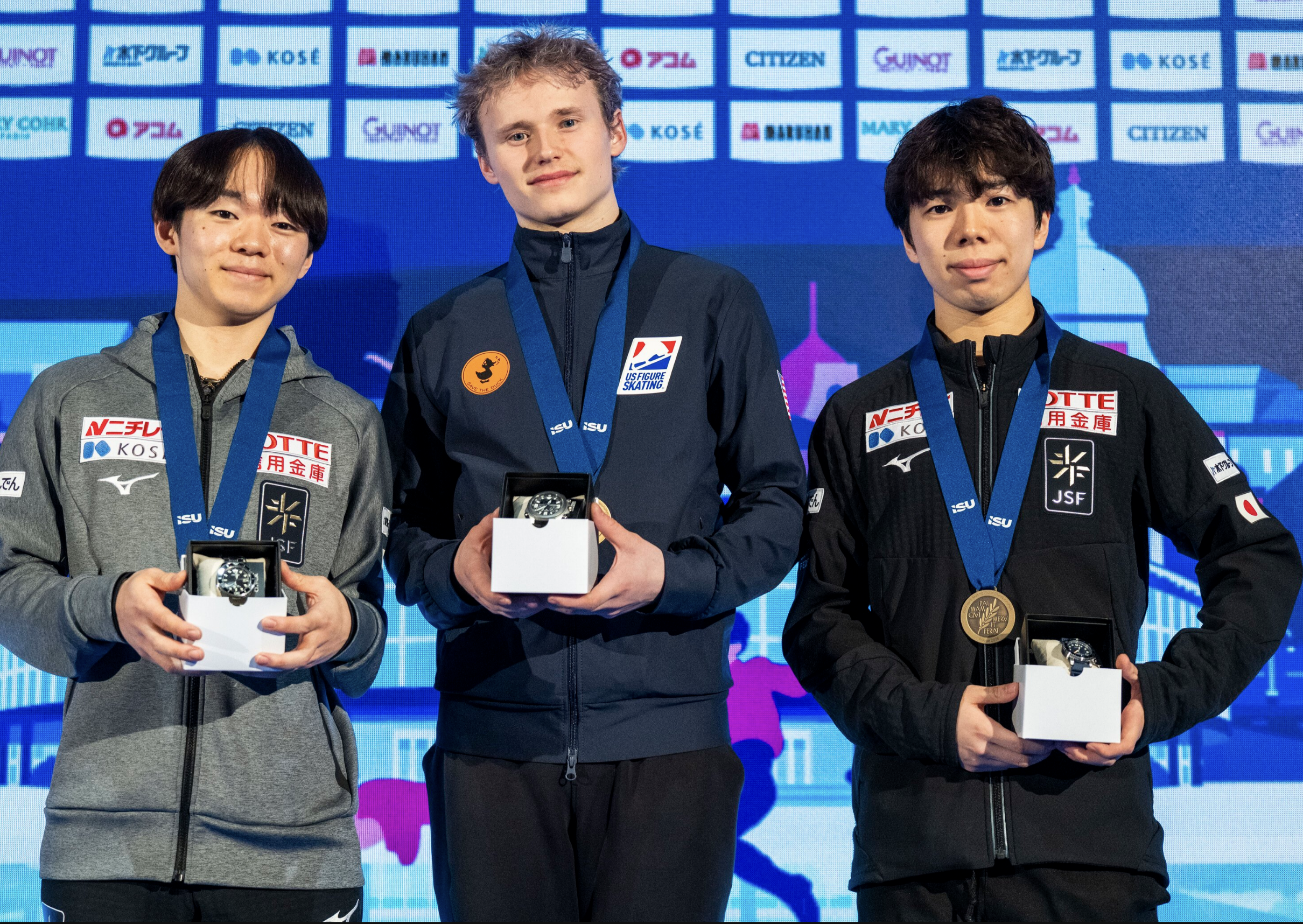
Top skaters, dismayed by proposed rules changes, ask international federation to hear their voices

Top skaters, dismayed by proposed rules changes, ask international federation to hear their voices

 Four months after circulating a set of rules modification proposals that would have radically transformed the sport of figure skating as early as the 2027-28 season, the International Skating Union has apparently decided to hold off on trying to implement any such cataclysmic changes until at least after the next Winter Olympics in 2030.

The ISU will go ahead next season with previously approved changes that could be seen as laying some ground work for the proposals that would essentially reinvent the sport.

In the interim, the ISU pooh-bahs would do well by listening on repeat to a recording of answers given by the three men’s medalists at the recent World Championships to a questioner who asked for their thoughts about the changes.

Or maybe the ISU should already have sought their opinions - and those of all other singles skaters at the world meet level – before imposing new rules on the athletes - especially the changes under discussion that would have as much (or more?) impact on the sport as the end of compulsory figures in 1990 and the introduction of the International Judging System in 2004.

Read More
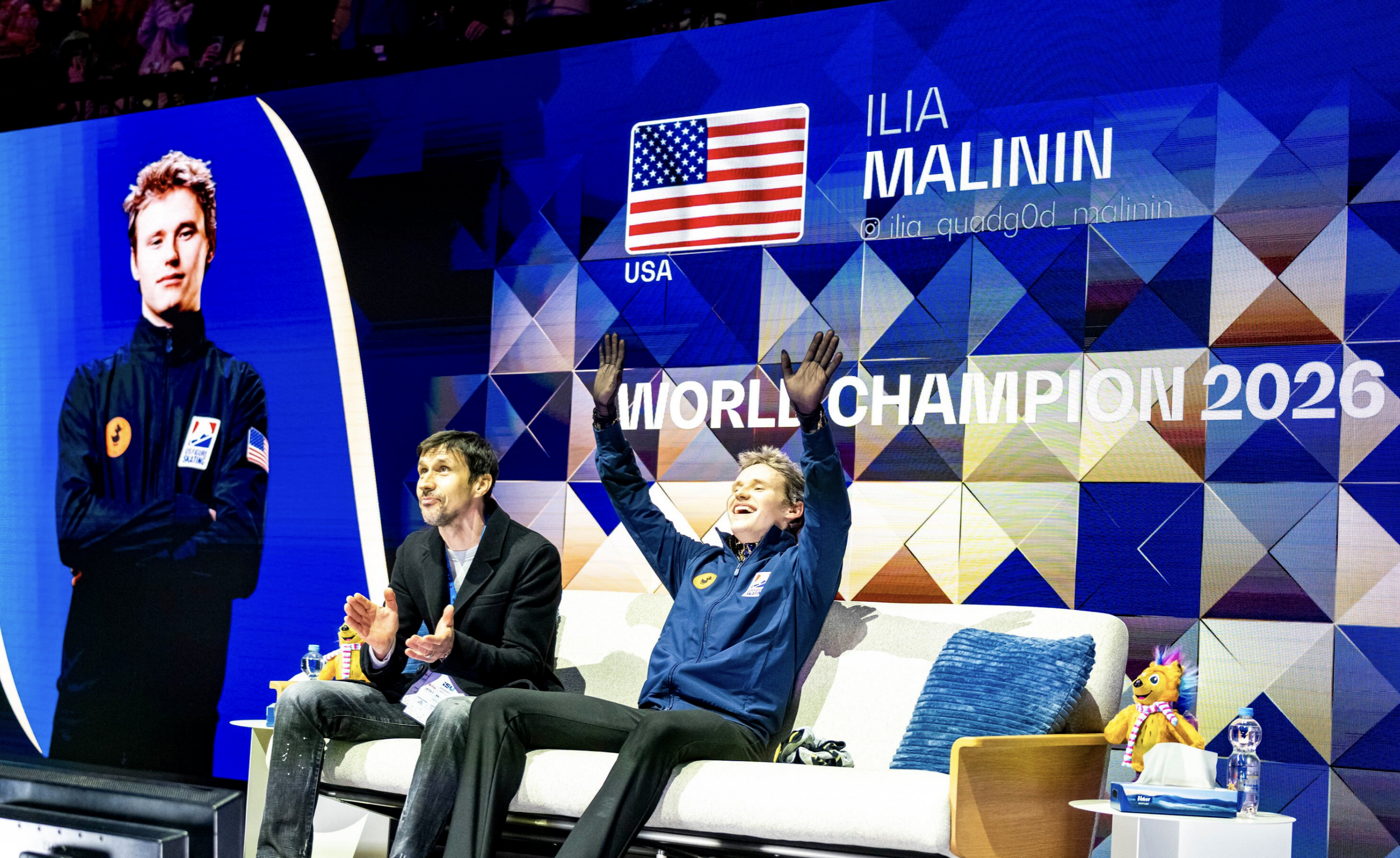
Ilia Malinin’s bounce-back world title marks fresh start for Quadg0d

Ilia Malinin’s bounce-back world title marks fresh start for Quadg0d

The figure skating world is back on its axis.

The Quadg0d realigned it, reclaiming his position as the best men’s singles skater in the world with a performance that was merely excellent rather than otherworldly.

Ilia Malinin won his third straight world title Saturday in Prague by attempting just (?!?!) five quadruple jumps, none of them his singular quad Axel. He landed all five, the last with a slight penalty for being short of four rotations.

With a huge lead from the short program, Malinin knew he did not need to use his full array of quads in the long program, as he had at December’s Grand Prix Final, when he became the first person to land seven – and one of each type. After all, none of the other 23 men tried more than three.

Read More

Amber Glenn in medal position after worlds short program

Amber Glenn in medal position after worlds short program

The triple Axel is the first and hardest jump in Amber Glenn’s programs, the jump only she completed in Wednesday’s short program at the World Figure Skating Championships in Prague.

It is a high-value jump of such relative difficulty that Japan’s Ami Nakai, the Olympic bronze medalist, was the only other woman among the 33 total competitors even to attempt it, and Nakai managed just a double.

It is also a jump that Glenn now has mastered, landing 12 of 13 attempts this season prior to worlds, getting positive grades of execution (GOEs) on all but three.

But when Glenn found herself leaning too far forward on the Axel takeoff after having botched two of three attempts in the warm-up before the short, you could understand why this talented skater who has battled self-doubt throughout her long career might begin to wonder if this was going to be déjà vu all over again.

Would her chances at a medal disappear after a big mistake in the short program, as had happened in last month’s Olympics and at previous world championships, when she had to go into the free skate looking for redemption rather than hardware?

Read More

Alysa Liu's new reality: fame, fashion and the fast lane

Alysa Liu's new reality: fame, fashion and the fast lane

Phillip DiGuglielmo began to see the handwriting on the wall not long after murals of Alysa Liu went up in Oakland and suburban Los Angeles.

For two weeks after Liu won the Olympic women’s singles title Feb. 19 in Milan, she and DiGuglielmo, her coach, still planned on going to Prague later this month so she could defend her world title.

“I knew her training wouldn’t be optimal, but we’re used to that,” DiGuglielmo said by telephone. “But this was going to be far from optimal.”

He understood that it was time for Liu to optimize the things coming her way since she became a sensation at the Olympics.

“She is just exploding,” he said. “Even her agents are overwhelmed. You have to balance what is her opportunity to build her brand versus going to worlds.”

By last Friday, she and her team agreed it was best for Liu to withdraw from the World Championships.

Read More

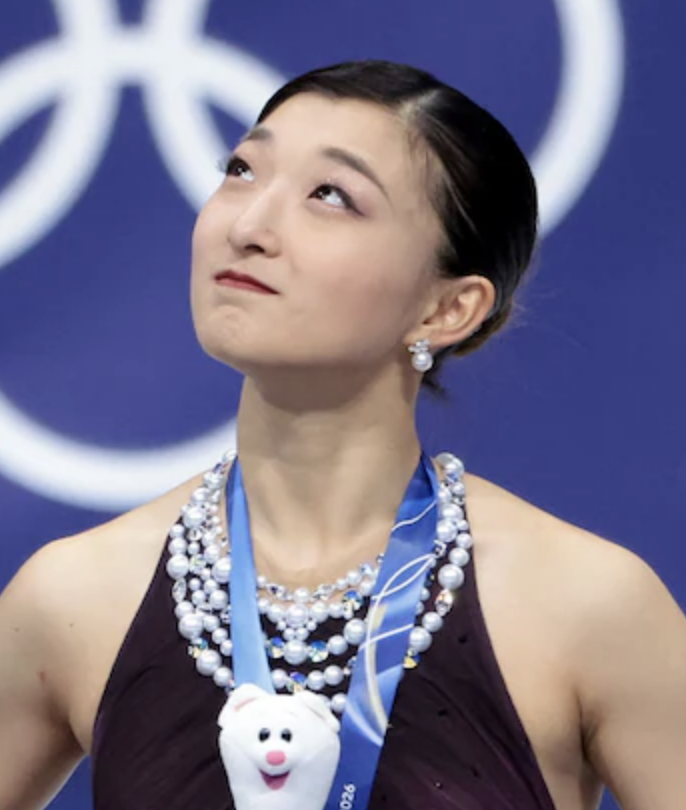
With four Olympic medals, Kaori Sakamoto didn't need gold to cement her legacy

With four Olympic medals, Kaori Sakamoto didn't need gold to cement her legacy

Kaori Sakamoto knew well before the scores were announced. She skated off the ice Thursday night at the Milano Ice Skating Arena with a glum expression on her face. She could sense that the one jump she couldn’t pull off in her free skate was going to keep her from the gold medal.

Alysa Liu, the soon-to-be champion, got up from the leader’s chair as soon as Sakamoto left the ice surface. Liu hugged Sakamoto tight and long. A tear worked its way slowly down Sakamoto’s right cheek. More tears would flow later from the most decorated women’s figure skater in Japanese history.

“I really wanted to skate perfectly here,” Sakamoto said via an interpreter. “Knowing that I couldn’t, and it was the difference for the gold, was painful. I couldn’t stop the tears.”

This was her third and last Winter Olympics. The second, four years ago, had also ended in tears so strong her body shook as she wept. Those tears looked like a mixture of happiness over winning what she calls “a miracle” bronze medal and relief over simply surviving the chaos surrounding the women’s singles event in Beijing.

Read More