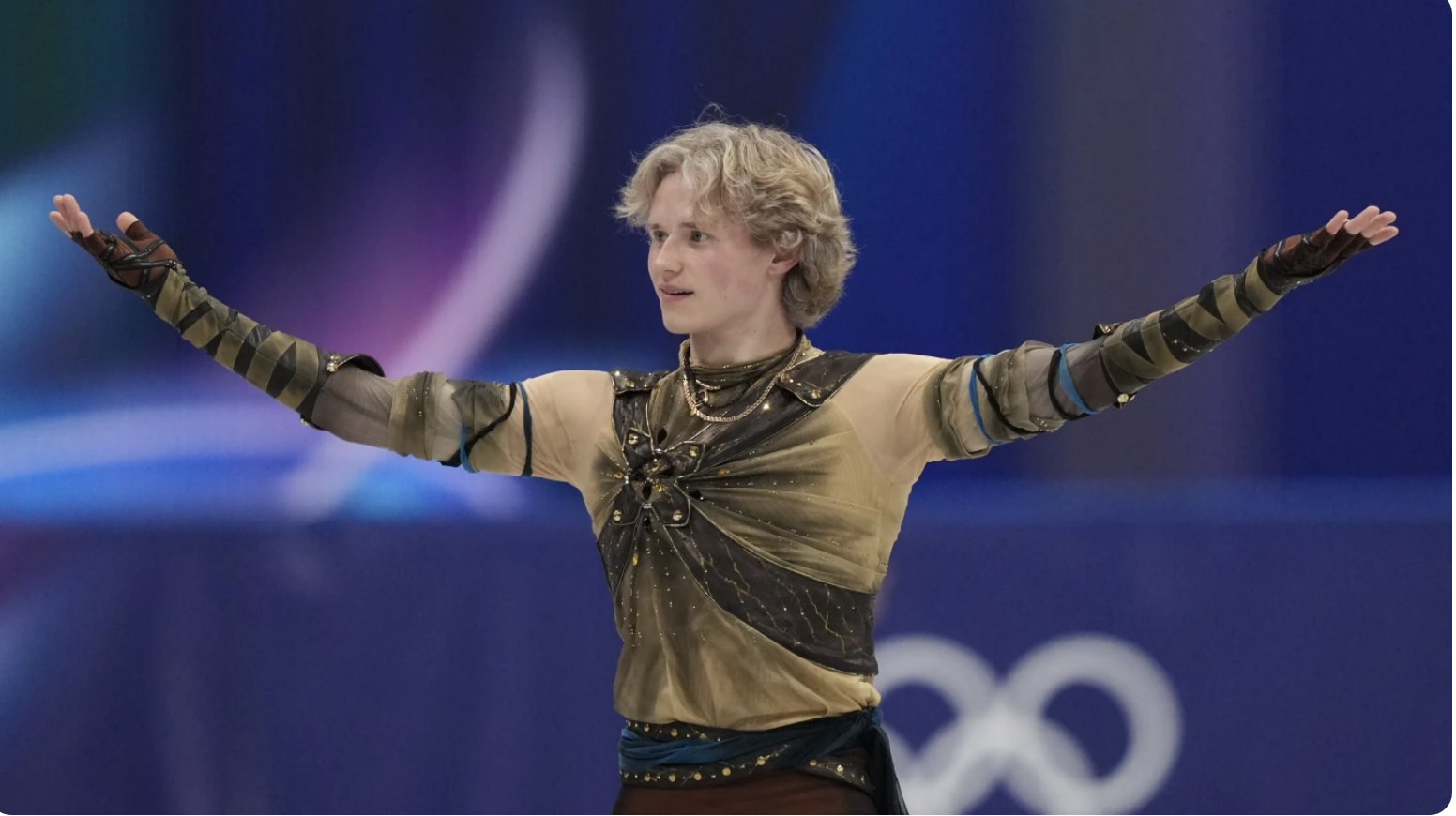
Figure skating's latest attempt to balance art and sport rewrites history...again

Figure skating's latest attempt to balance art and sport rewrites history...again

Figure skating’s rules have changed more in the last 22 years than they did in the entire 20th Century.

Since the sport thoroughly revised its scoring and judging systems beginning with the 2004-05 season, its officials have acted in a way that admits their International Judging System remains a work in progress. They have felt compelled to tweak or dramatically alter the way results are decided so frequently it has been hard to keep up.

It is as if the officials take a Zamboni out to clear the record books every season in an effort (Sisyphean?) to balance the sport’s emphasis between athleticism, i.e. jumps, and everything else in a free skate singles program, loosely defined as artistry.

Bring a large bag of asterisks.

Read More
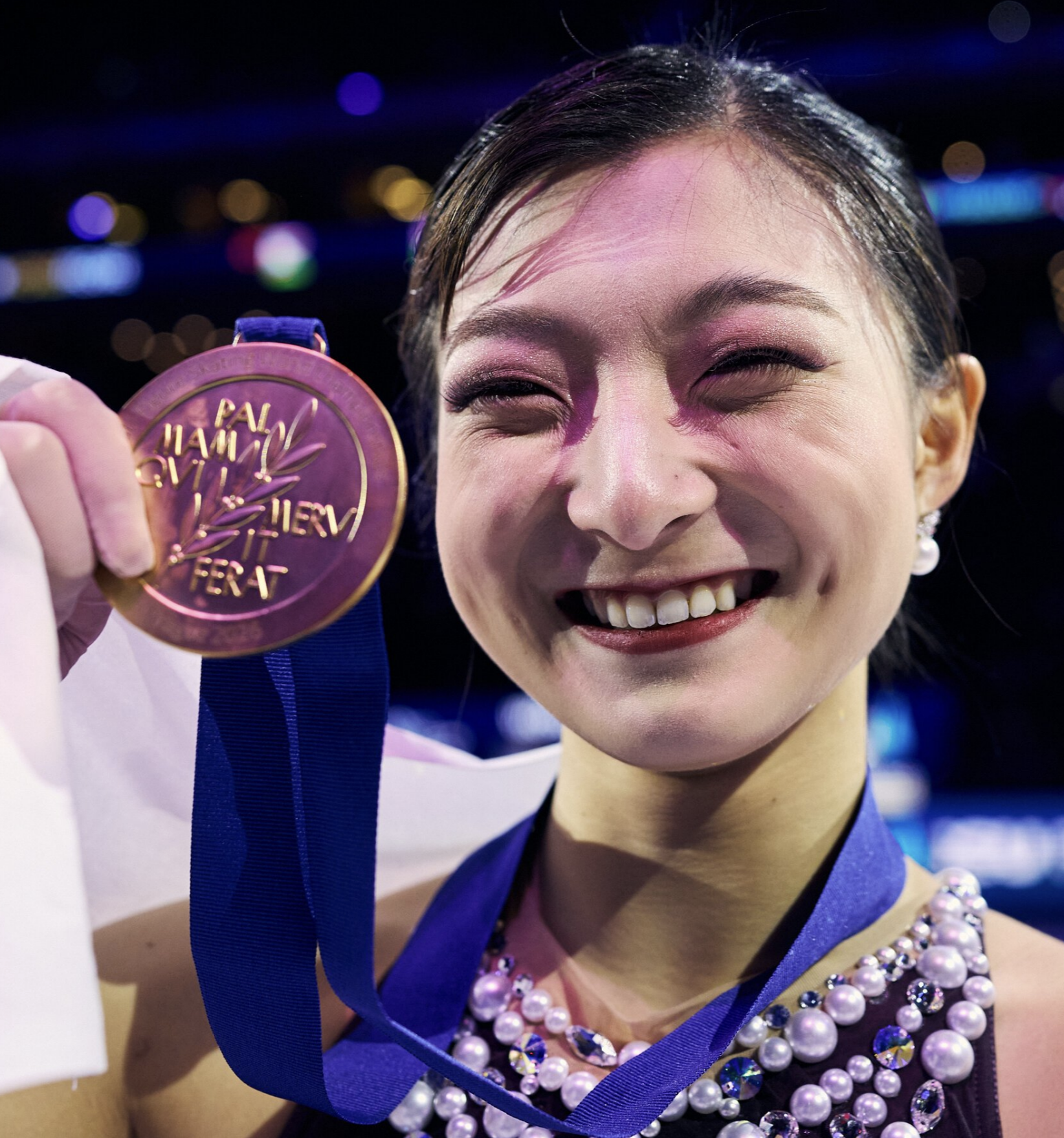
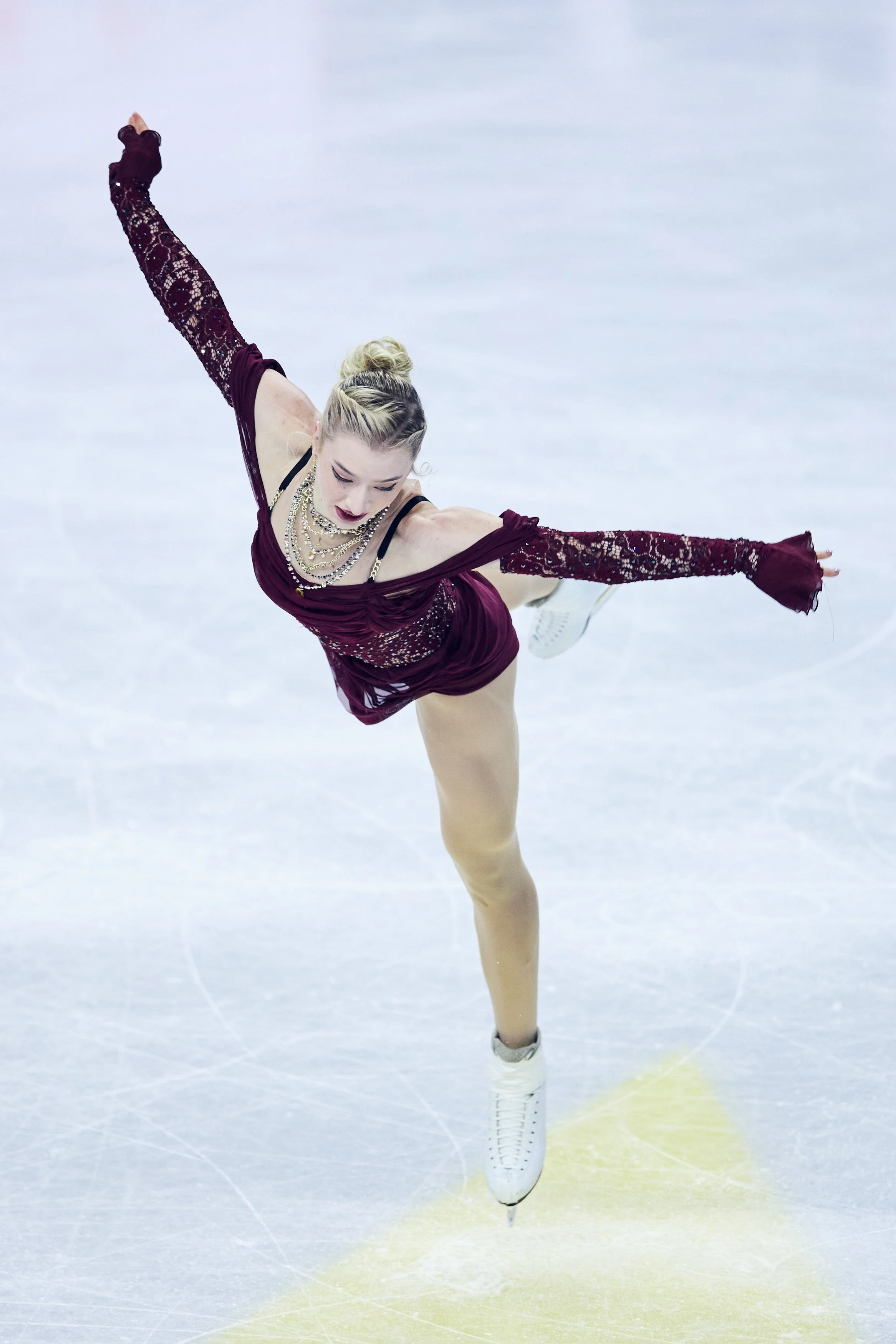
Kaori Sakamoto saves best for last in farewell to competitive skating

Kaori Sakamoto saves best for last in farewell to competitive skating

There is an old adage in show business that advises performers to always leave them wanting more.

Kaori Sakamoto of Japan did that Friday at the World Championships in Prague.

Alas, there will be no more of Sakamoto in competition. At 25, she is leaving that side of figure skating with a fourth world title and an indelible legacy of greatness.

“If you want me to talk about her achievements, you wouldn’t be able to stop me from going on forever,” said her teammate, Mone Chiba, who finished second.

She saved the best — at least by scoring standards — for last, winning with a personal best in the free skate and the highest component scores ever in both the free and short programs.

Read More

Amber Glenn in medal position after worlds short program

Amber Glenn in medal position after worlds short program

The triple Axel is the first and hardest jump in Amber Glenn’s programs, the jump only she completed in Wednesday’s short program at the World Figure Skating Championships in Prague.

It is a high-value jump of such relative difficulty that Japan’s Ami Nakai, the Olympic bronze medalist, was the only other woman among the 33 total competitors even to attempt it, and Nakai managed just a double.

It is also a jump that Glenn now has mastered, landing 12 of 13 attempts this season prior to worlds, getting positive grades of execution (GOEs) on all but three.

But when Glenn found herself leaning too far forward on the Axel takeoff after having botched two of three attempts in the warm-up before the short, you could understand why this talented skater who has battled self-doubt throughout her long career might begin to wonder if this was going to be déjà vu all over again.

Would her chances at a medal disappear after a big mistake in the short program, as had happened in last month’s Olympics and at previous world championships, when she had to go into the free skate looking for redemption rather than hardware?

Read More

Alysa Liu's new reality: fame, fashion and the fast lane

Alysa Liu's new reality: fame, fashion and the fast lane

Phillip DiGuglielmo began to see the handwriting on the wall not long after murals of Alysa Liu went up in Oakland and suburban Los Angeles.

For two weeks after Liu won the Olympic women’s singles title Feb. 19 in Milan, she and DiGuglielmo, her coach, still planned on going to Prague later this month so she could defend her world title.

“I knew her training wouldn’t be optimal, but we’re used to that,” DiGuglielmo said by telephone. “But this was going to be far from optimal.”

He understood that it was time for Liu to optimize the things coming her way since she became a sensation at the Olympics.

“She is just exploding,” he said. “Even her agents are overwhelmed. You have to balance what is her opportunity to build her brand versus going to worlds.”

By last Friday, she and her team agreed it was best for Liu to withdraw from the World Championships.

Read More