Figure skating's latest attempt to balance art and sport rewrites history...again

Figure skating's latest attempt to balance art and sport rewrites history...again

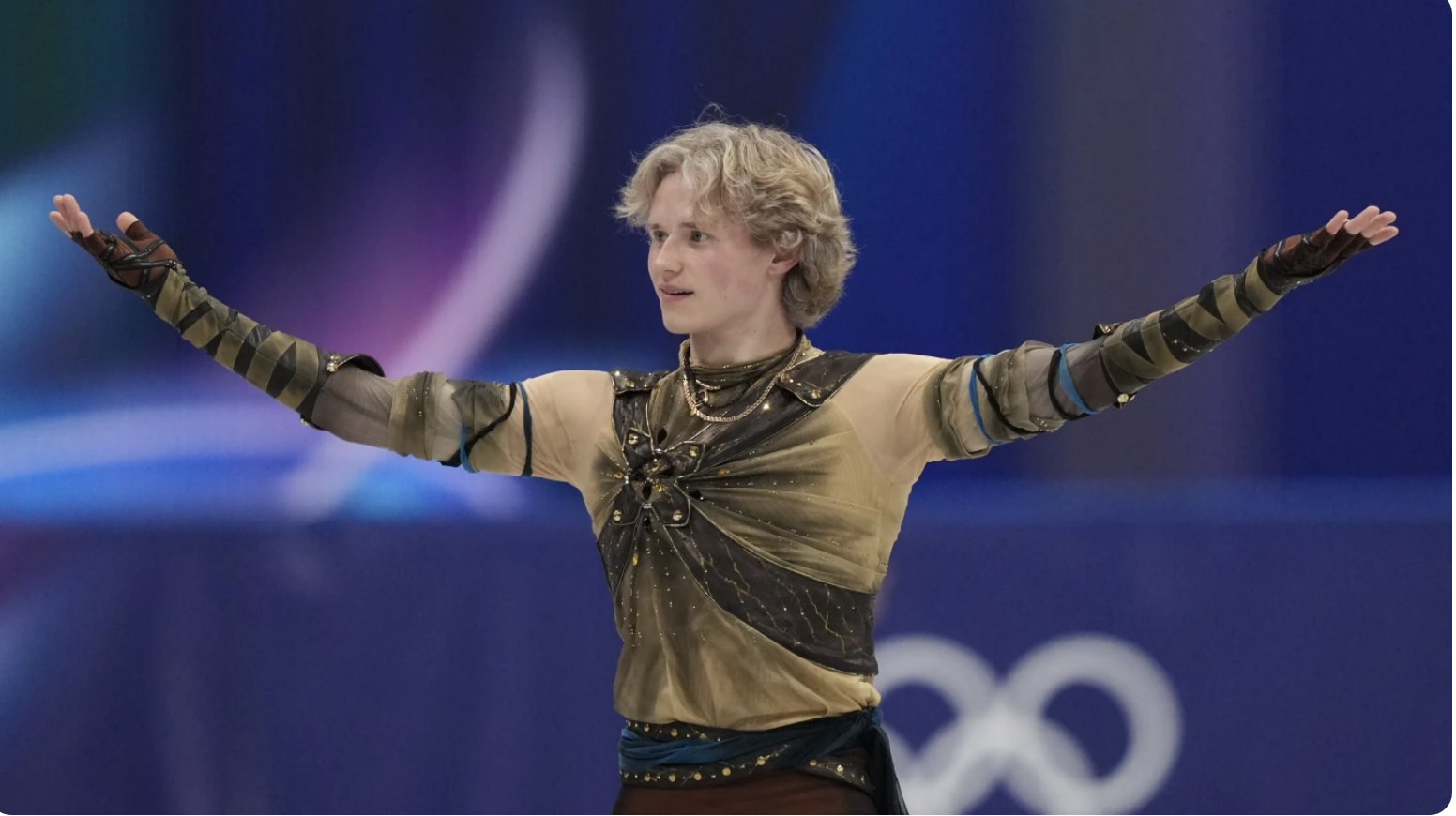
Figure skating’s rules have changed more in the last 22 years than they did in the entire 20th Century.

Since the sport thoroughly revised its scoring and judging systems beginning with the 2004-05 season, its officials have acted in a way that admits their International Judging System remains a work in progress. They have felt compelled to tweak or dramatically alter the way results are decided so frequently it has been hard to keep up.

It is as if the officials take a Zamboni out to clear the record books every season in an effort (Sisyphean?) to balance the sport’s emphasis between athleticism, i.e. jumps, and everything else in a free skate singles program, loosely defined as artistry.

Bring a large bag of asterisks.

Read More

Save the dates, skating fans. . .but which dates will they be?

Save the dates, skating fans. . .but which dates will they be?

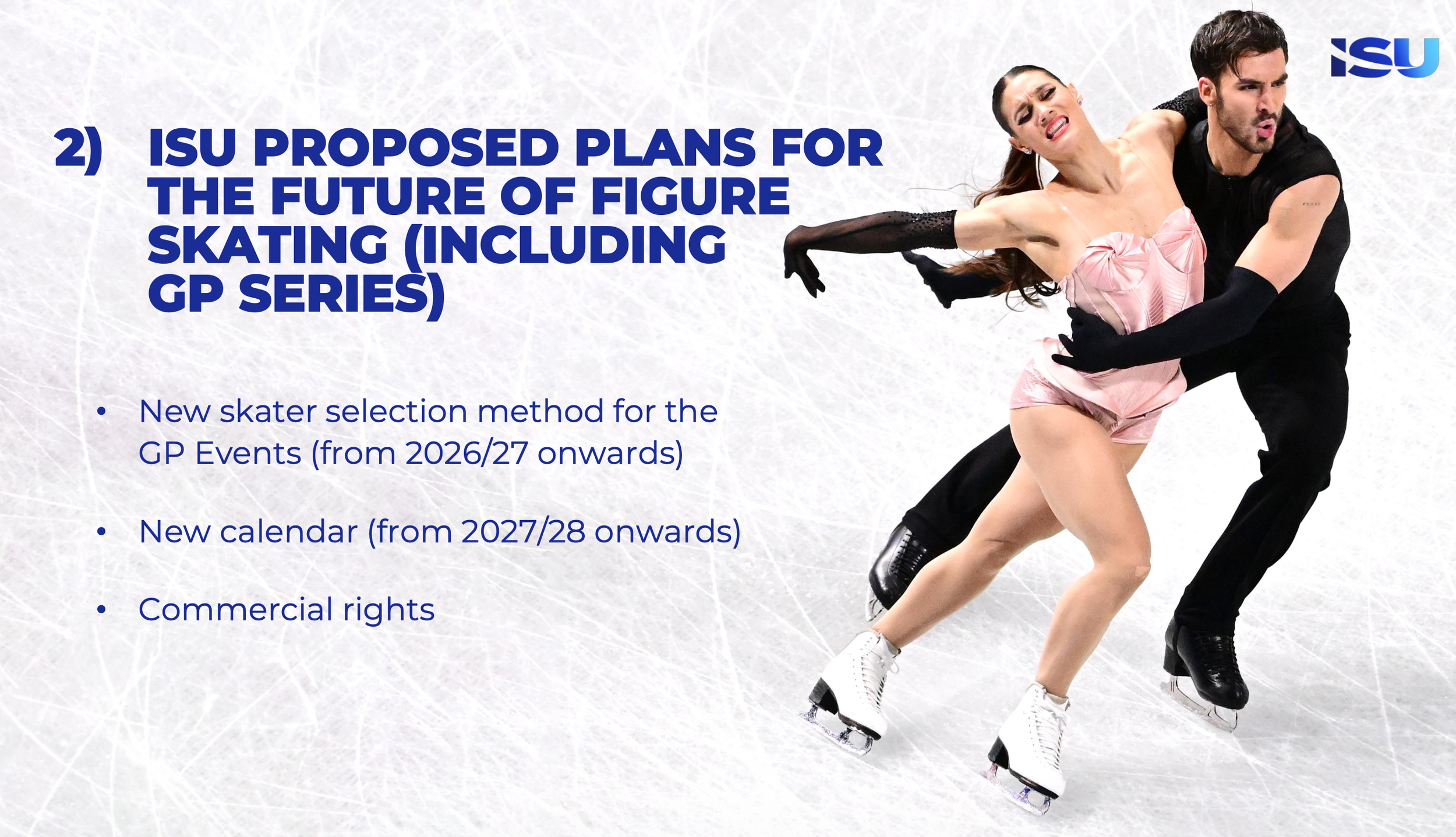
In January, when I revealed in a post on this site that the International Skating Union was weighing changes in figure skating competition rules and formats that would “alter the sport radically,” the least dramatic proposal looked like the one that revised the season schedule.

Part of that revision still drew significant opposition from the ISU’s member federations, especially the most powerful nations in the sport, and sources tell me that has led the ISU to tweak some of the calendar changes that are to become effective in the 2027-28 season.

Those federations whose national championships have taken place in late December or, more to the point, in the first half of January – which means every major figure skating country – pushed back on a calendar that would have them switch their biggest event of the year to February.

Read More

With four Olympic medals, Kaori Sakamoto didn't need gold to cement her legacy

With four Olympic medals, Kaori Sakamoto didn't need gold to cement her legacy

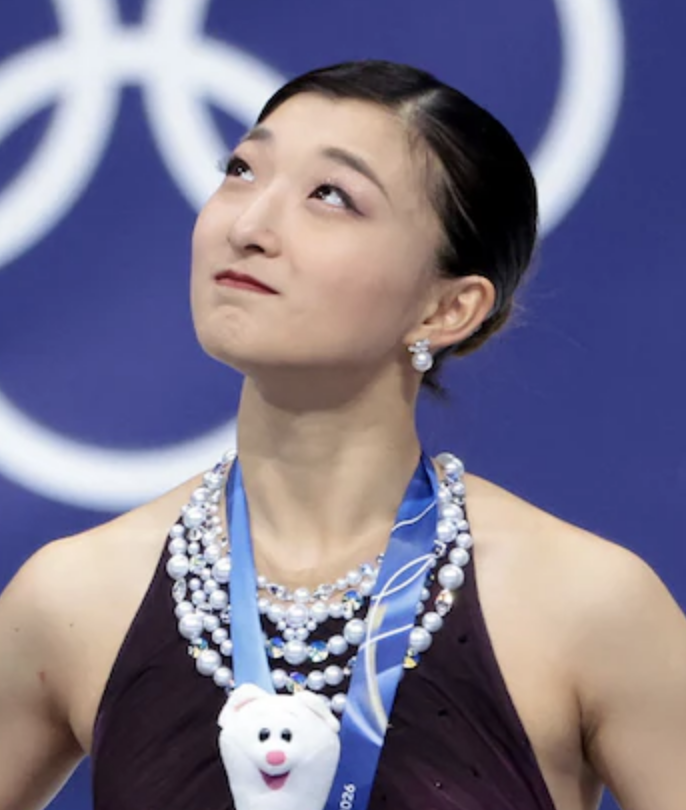
Kaori Sakamoto knew well before the scores were announced. She skated off the ice Thursday night at the Milano Ice Skating Arena with a glum expression on her face. She could sense that the one jump she couldn’t pull off in her free skate was going to keep her from the gold medal.

Alysa Liu, the soon-to-be champion, got up from the leader’s chair as soon as Sakamoto left the ice surface. Liu hugged Sakamoto tight and long. A tear worked its way slowly down Sakamoto’s right cheek. More tears would flow later from the most decorated women’s figure skater in Japanese history.

“I really wanted to skate perfectly here,” Sakamoto said via an interpreter. “Knowing that I couldn’t, and it was the difference for the gold, was painful. I couldn’t stop the tears.”

This was her third and last Winter Olympics. The second, four years ago, had also ended in tears so strong her body shook as she wept. Those tears looked like a mixture of happiness over winning what she calls “a miracle” bronze medal and relief over simply surviving the chaos surrounding the women’s singles event in Beijing.

Read More

To Alysa Liu, competing and comforting "just another day"

To Alysa Liu, competing and  comforting "just another day"

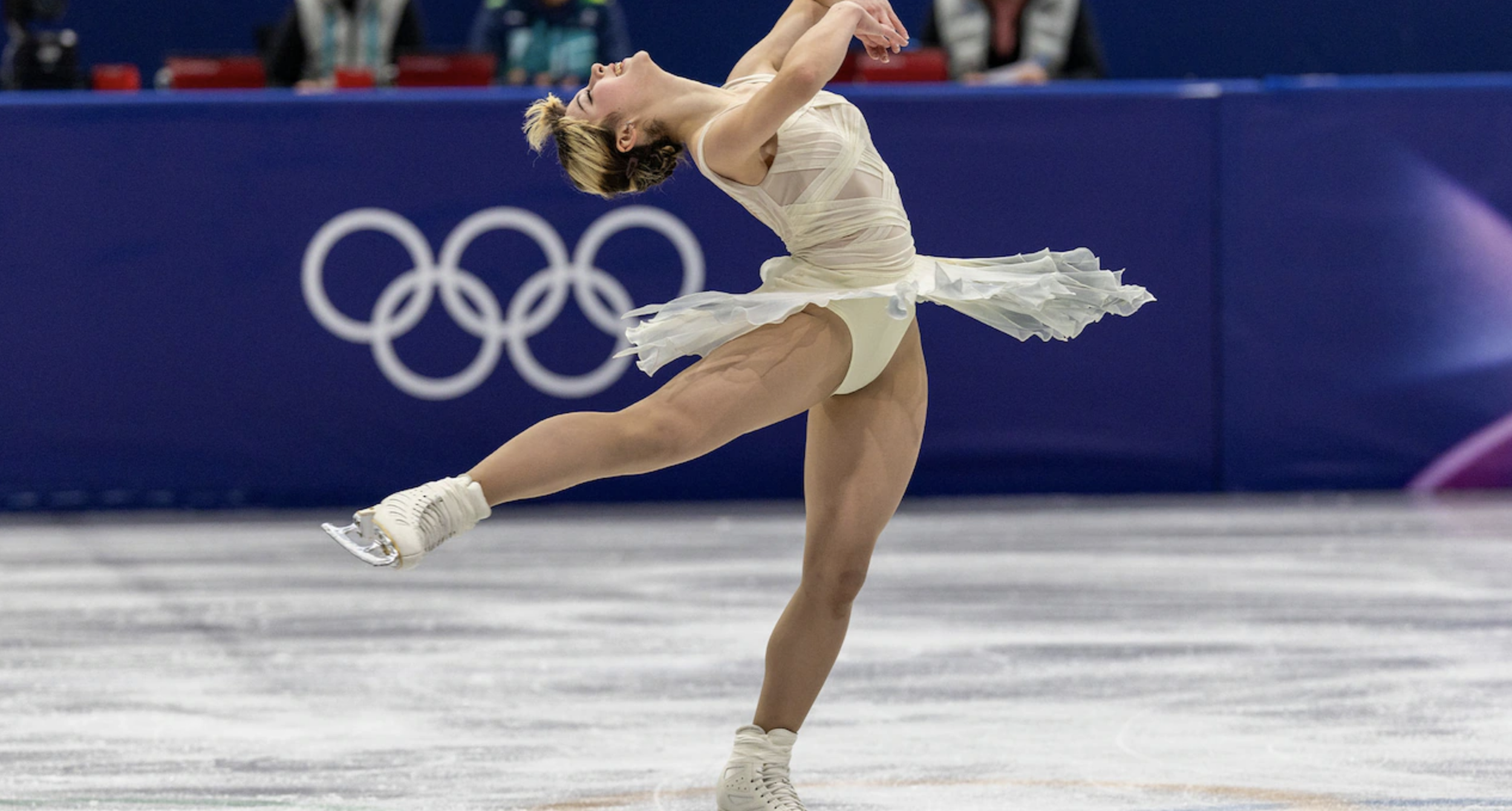
Amber Glenn always wears her heart on her sleeve, her joy or dismay clear for the world to see.

“It’s what makes me relatable, but it also makes it hard to hide,” Glenn said after her Wednesday practice at the Milano Ice Skating Arena.

Some 18 hours earlier, her face had displayed increasing levels of devastation, reflecting a heart crushed by the mistake on her favorite jump in the short program. It was an error so costly it left the three-time U.S. champion in 13th place, slightly more than nine points from 3rd, her hopes to contend for a medal probably gone.

Glenn looked inconsolable.

Reigning world champion Alysa Liu saw that. And when she might have been celebrating the strong skate that put her third, just 2.12 points from short program winner Ami Nakai of Japan heading into Thursday’s free skate final, Liu was more concerned about helping her teammate.

To Glenn, that ability to sense the heart of the matter is what has brought Liu to where she is today, delighting in skating for its essence rather than for where she winds up in the standings.

Read More