
French team defying timelines for ice dance success
/
It’s not supposed to happen this way in ice dance, having two skaters who teamed up less than a year ago leading the Olympics after the rhythm dance.
After all, the last three Olympic champions all had skated together seemingly forever, beginning when they were children: 18 years for 2022 gold medalists Gabriella Papadakis and Guillaume Cizeron of France; 21 years for 2018 winners Tessa Virtue and Scott Moir of Canada; 17 years for 2014 winners Meryl Davis and Charlie White of the United States.
"Longevity is incredibly important because of how complex both the training relationship and competitive relationship is, especially in ice dance, since the elements are so nuanced, and there’s so much relying on the performance and emotional chemistry," Ben Agosto, 2006 Olympic silver medalist with Tanith (Belbin) White, told me when Papadakis and Cizeron won.
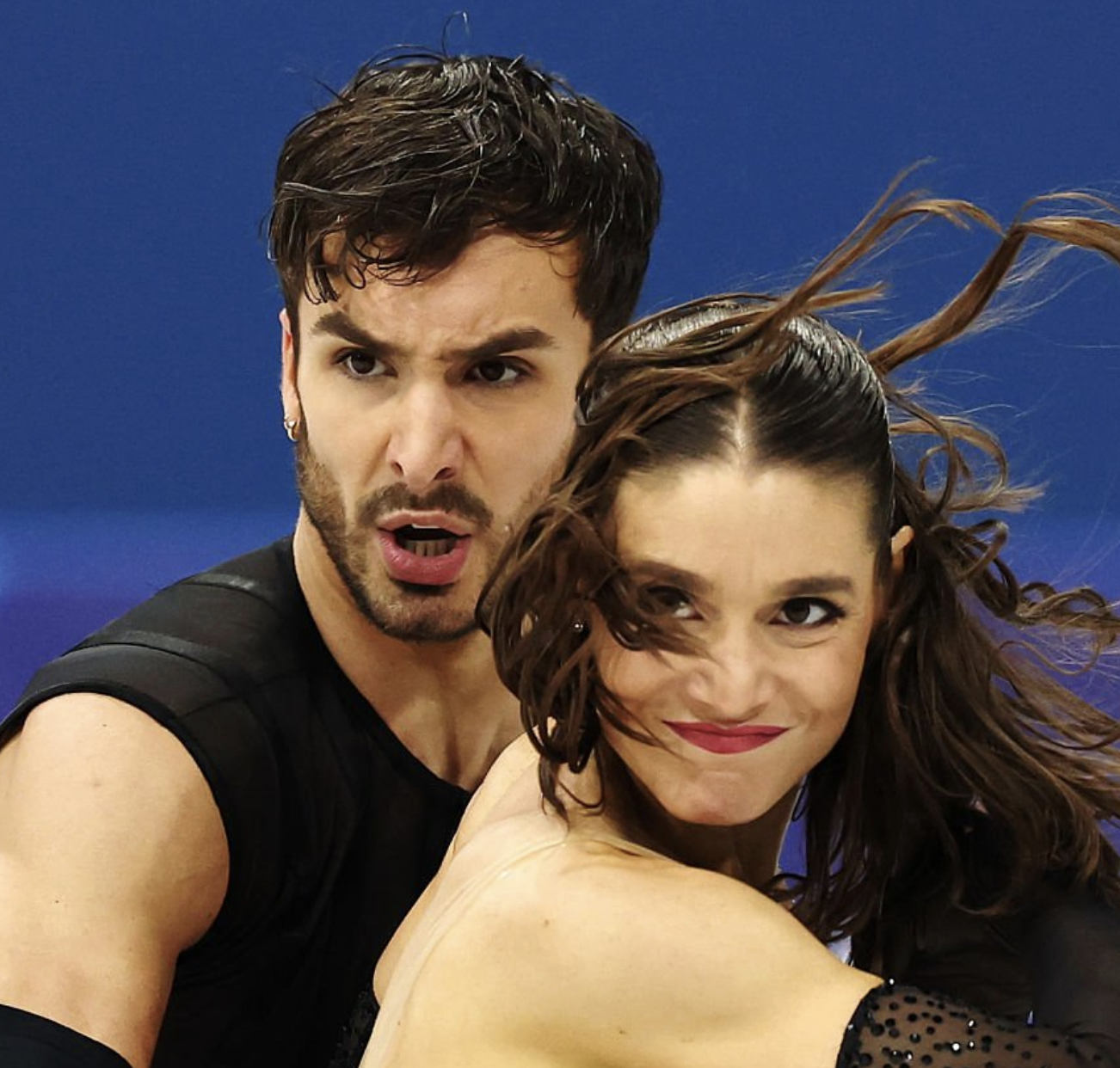
And yet here we are, with Cizeron and his new partner, freshly minted French citizen Laurence Fournier Beaudry, beating three-time reigning world champions Madison Chock and Evan Bates of the United States by two whiskers in Monday’s opening phase of the 2026 ice dance event. It concludes with the free dance Wednesday.
Read More
