U.S. Figure Skating will ask ISU to review system that led to ice dance judging controversy

U.S. Figure Skating will ask ISU to review system that led to ice dance judging controversy

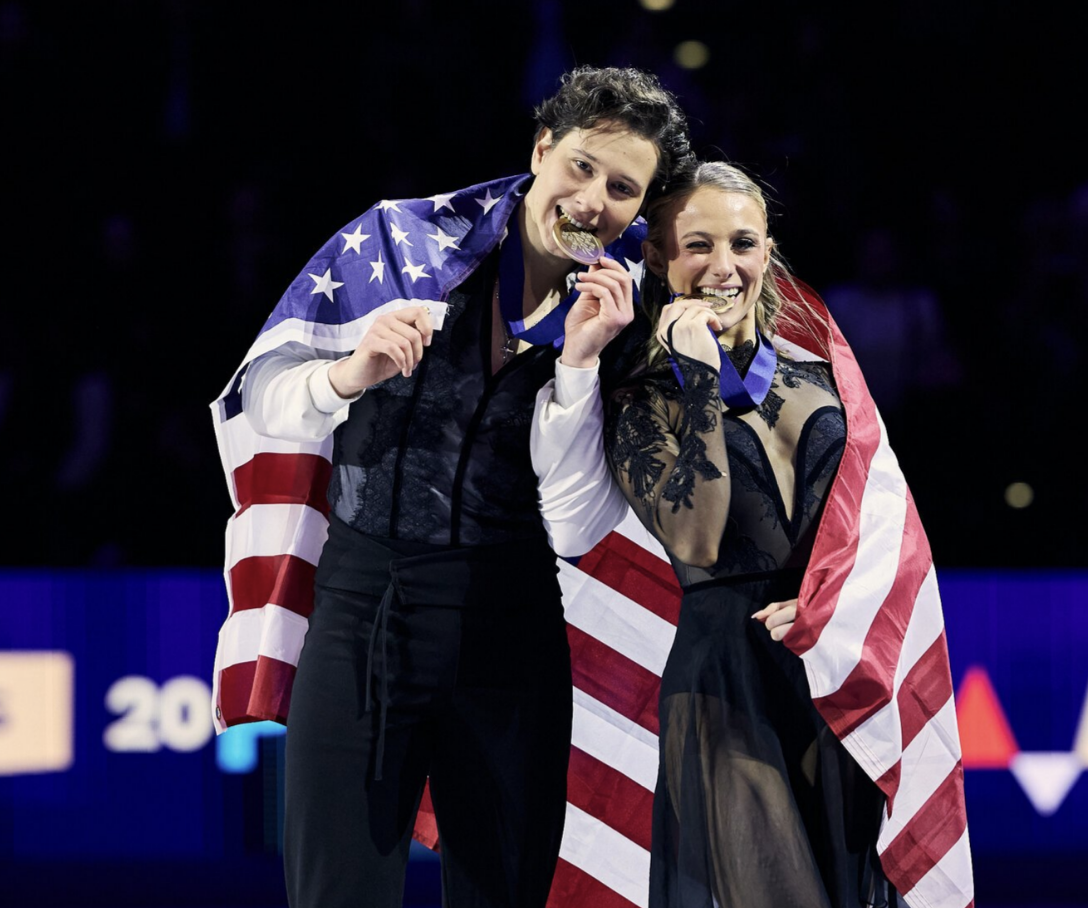
U.S. Figure Skating intends to send a letter to the International Skating Union for a review of the judging system that essentially allowed one judge to determine the outcome of the 2026 Olympic ice dance competition, a person familiar with the situation told me Friday.

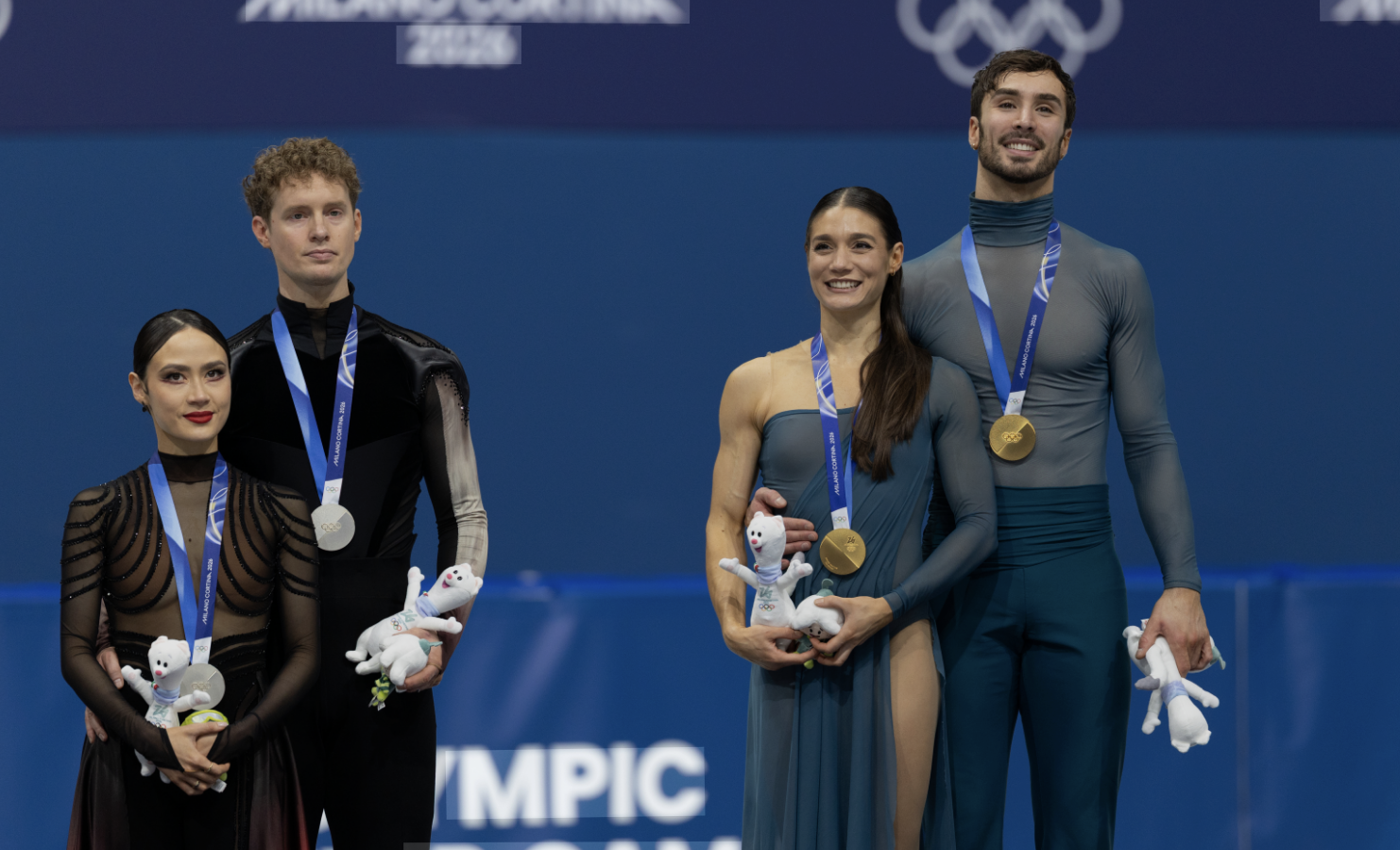
The result was a narrow victory (1.43 points) for French couple Laurence Fournier Beaudry and Guillaume Cizeron over U.S. team Madison Chock and Evan Bates.

“We don’t expect a reversal,” the person said.  “We are doing this in support of our athletes.”

Read More

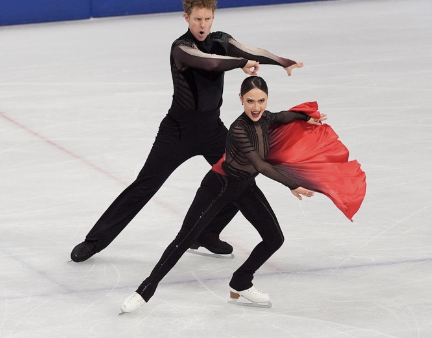
Madison Chock, Evan Bates 'wouldn't change anything' after ice dance silver

Madison Chock, Evan Bates 'wouldn't change anything' after ice dance silver

They had occupied the ice dance penthouse for so much of the past four seasons, including the last three World Championships, that Madison Chock and Evan Bates might as well have been declared owners of the place.

Yet when they were ready to throw a housewarming celebration in front of the world, Chock and Bates were evicted by a couple of new kids on the block, French team Laurence Fournier Beaudry and Guillaume Cizeron, whom they know as friends and train with at the same rink in Montreal.

So, the apparent end of the U.S. ice dancers’ stellar career did not include the individual Olympic gold medal that had been their goal since deciding they would try for a fourth Winter Games as competitive partners and a first as husband and wife.

Chock and Bates claimed silver after Wednesday’s free dance, adding an individual medal to the golds they won in the team event at both this Olympics and the last. They were a frustrated fourth in the 2022 ice dance event.

“It’s definitely a little bittersweet, because we are so, so happy with how we performed this week,” Chock said, her voice cracking as she continued the thought.

Read More

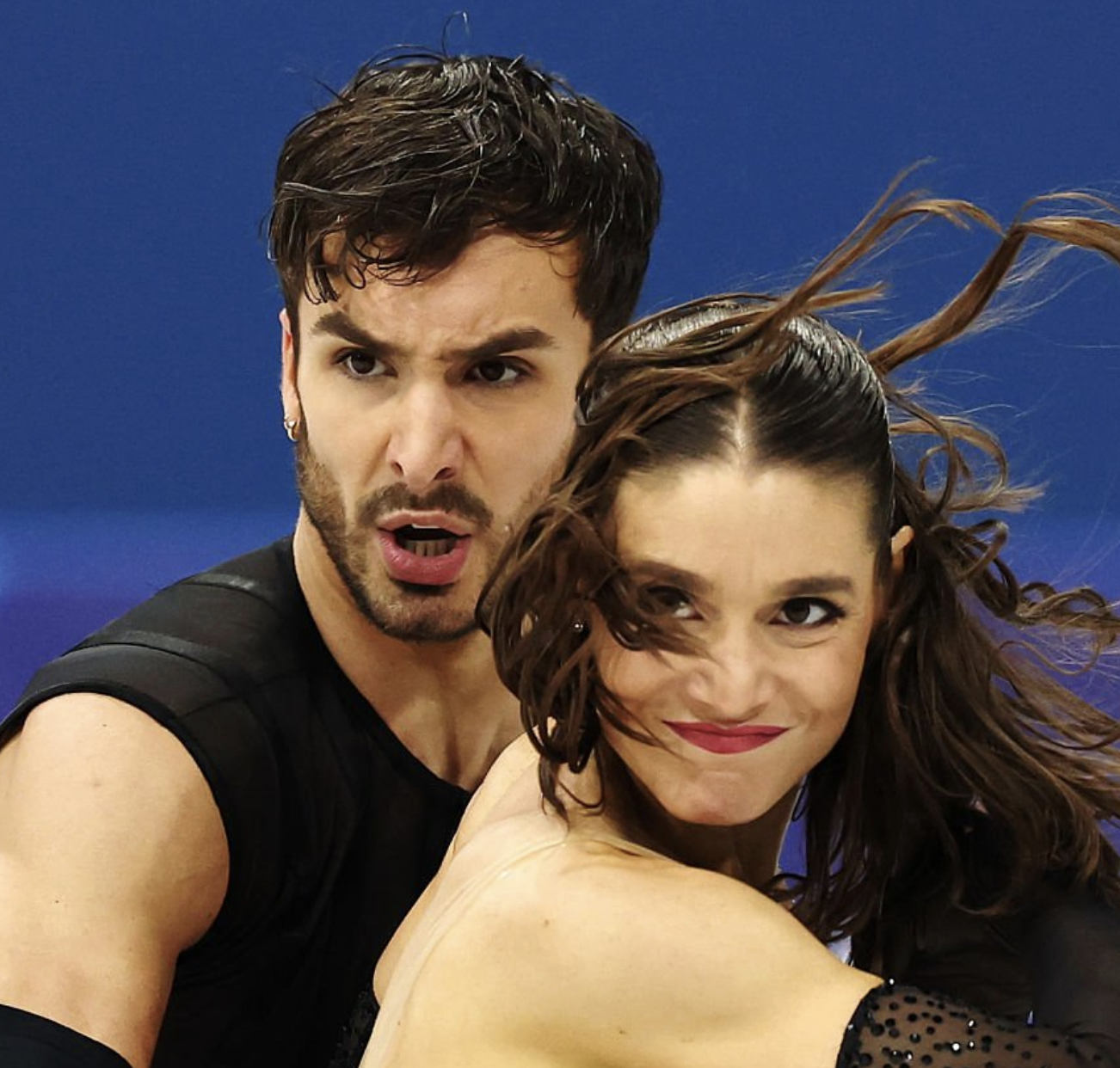
French team defying timelines for ice dance success

French team defying timelines for ice dance success

It’s not supposed to happen this way in ice dance, having two skaters who teamed up less than a year ago leading the Olympics after the rhythm dance.

After all, the last three Olympic champions all had skated together seemingly forever, beginning when they were children: 18 years for 2022 gold medalists Gabriella Papadakis and Guillaume Cizeron of France; 21 years for 2018 winners Tessa Virtue and Scott Moir of Canada; 17 years for 2014 winners Meryl Davis and Charlie White of the United States.

"Longevity is incredibly important because of how complex both the training relationship and competitive relationship is, especially in ice dance, since the elements are so nuanced, and there’s so much relying on the performance and emotional chemistry," Ben Agosto, 2006 Olympic silver medalist with Tanith (Belbin) White, told me when Papadakis and Cizeron won.

And yet here we are, with Cizeron and his new partner, freshly minted French citizen Laurence Fournier Beaudry, beating three-time reigning world champions Madison Chock and Evan Bates of the United States by two whiskers in Monday’s opening phase of the 2026 ice dance event. It concludes with the free dance Wednesday.

Read More

Madison Chock and Evan Bates find appreciation in swan song Olympic season

Madison Chock and Evan Bates find appreciation in swan song Olympic season

They have been around the competitive ice dance world so long it would be easy for Madison Chock and Evan Bates to develop a sense of ennui, a sense of been there, done that, of thinking how can their 1,000th practice or seventh appearance at the U.S. stop on the Grand Prix circuit be anything more that a forgettable way station on the trip to their ultimate goal.

It's just such an attitude that the winners of the last three world titles have been consciously rejecting as they prepare to skate together in a fourth Olympics this February in Milan, Italy, where they would seek the one thing missing from their sparkling résumé: an ice dance Olympic medal (preferably a gold one.)

Read More

They sparked two decades of U.S. ice dance excellence

They sparked two decades of U.S. ice dance excellence

Not long after Ben Agosto switched from singles skating to ice dance at age 10, he faced up to the reality that winning medals on a global stage might be impossible for a U.S. ice dancer.

Why wouldn’t he think that way, given the evidence?  After all, one of his first coaches, Susie Wynne, had retired from competition after finishing fourth at the 1990 World Championships with Joe Druar, having decided, as she puts it, “We had topped out.  That was the best we could do.”

That fourth place would, in fact, be the best finish for a U.S. team at worlds over nearly two decades since Judy Blumberg and Michael Seibert won their third straight world bronze in 1985, a span in which Soviet and Russian teams won 15 of 18 world titles, four of five Olympic titles and nine of 15 Olympic medals.

Until Agosto and Tanith Belbin ended that drought in 2005.

Read More