Despite twists and turns, U.S. ice dancers Zingas and Kolesnik stay in fast lane

Despite twists and turns, U.S. ice dancers Zingas and Kolesnik stay in fast lane

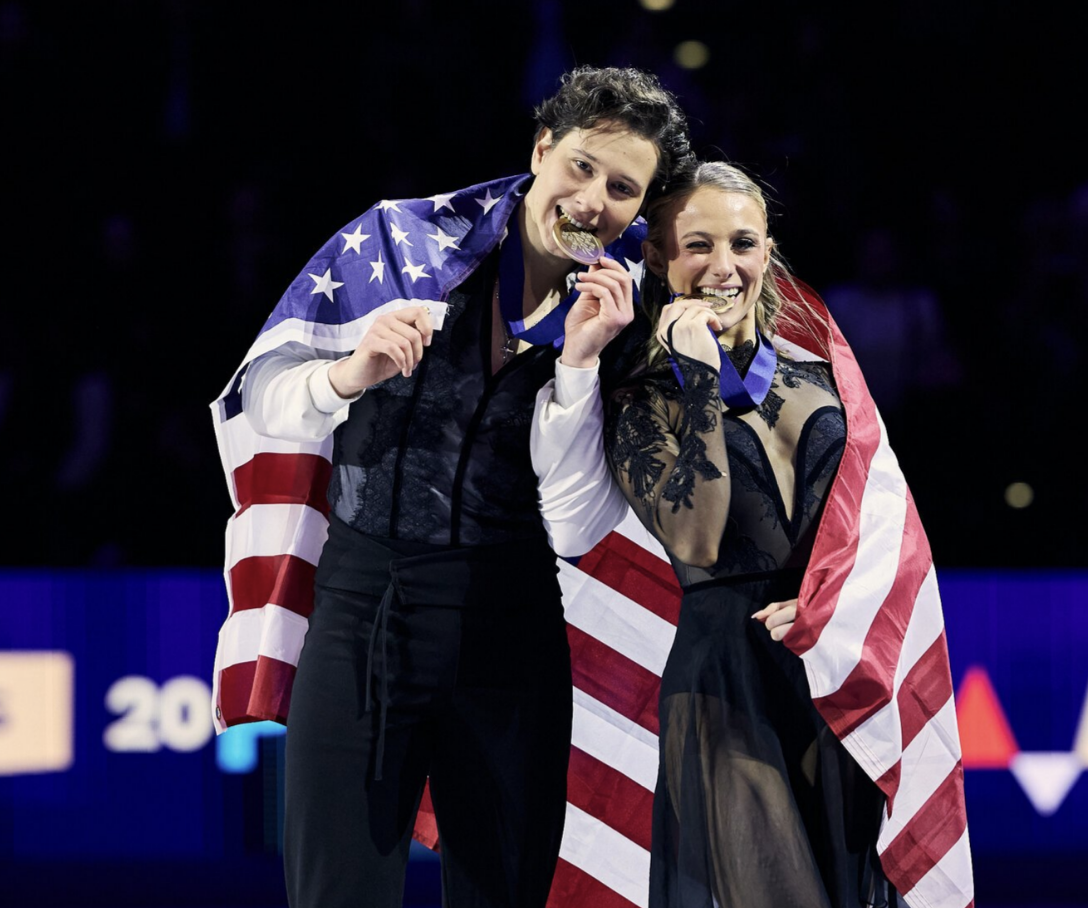
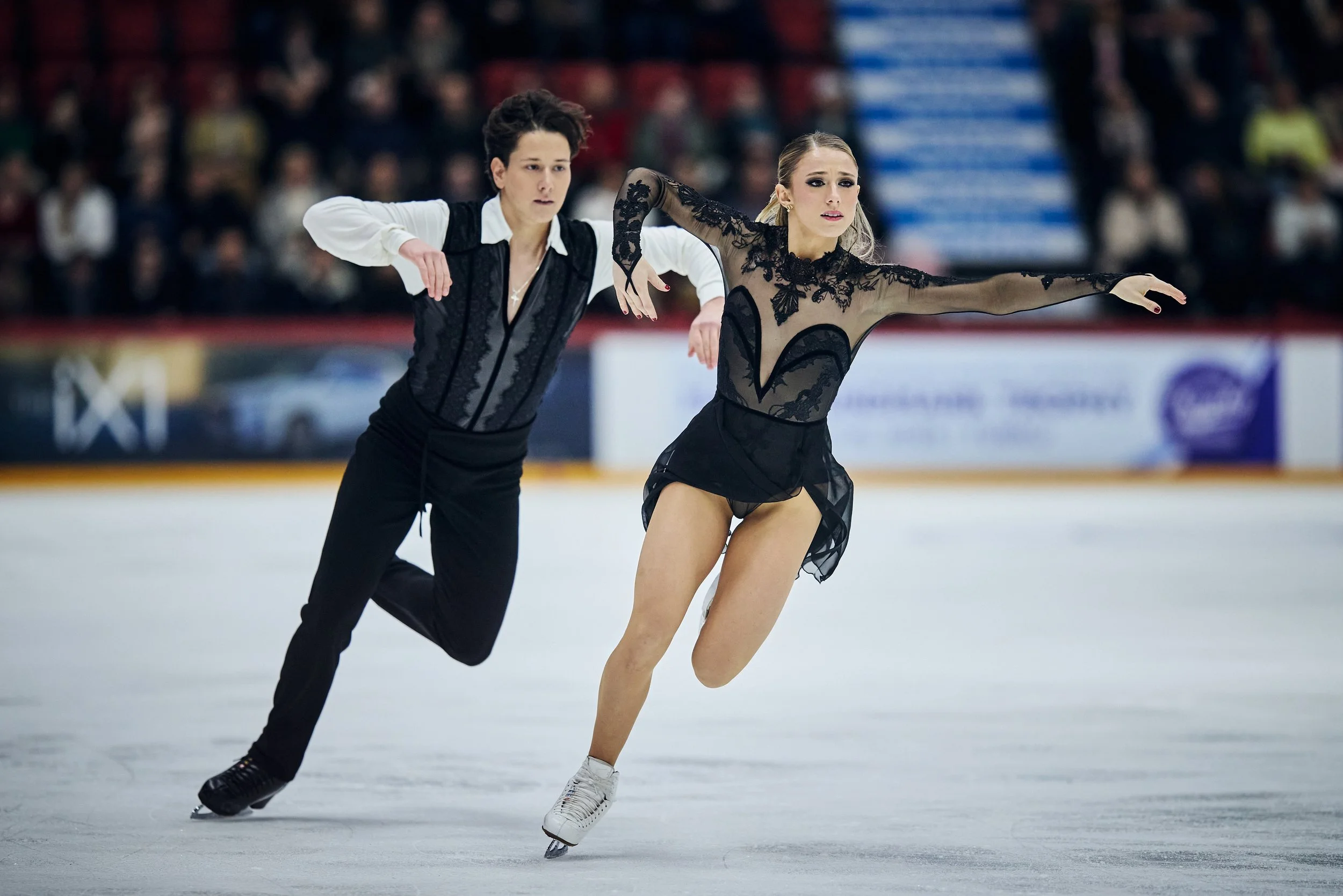
There are a lot of unexpected plot twists in the story of how Emilea Zingas and Vadym Kolesnik got here.

Not the least of those surprises simply is what “here” means to them this week.

The U.S. ice dancers are in Helsinki, Finland, where they will compete beginning Friday in the Finlandia Trophy event on the Grand Prix circuit, with a chance to make the Grand Prix Final and/or simply build their case for getting one the three U.S. ice dance spots at the 2026 Winter Olympics. 

Who would have imagined a convert from singles skating in 2022 and an ice dancer from a war-ravaged city in Ukraine could be a team in this position so quickly?

Read More

Madison Chock and Evan Bates find appreciation in swan song Olympic season

Madison Chock and Evan Bates find appreciation in swan song Olympic season

They have been around the competitive ice dance world so long it would be easy for Madison Chock and Evan Bates to develop a sense of ennui, a sense of been there, done that, of thinking how can their 1,000th practice or seventh appearance at the U.S. stop on the Grand Prix circuit be anything more that a forgettable way station on the trip to their ultimate goal.

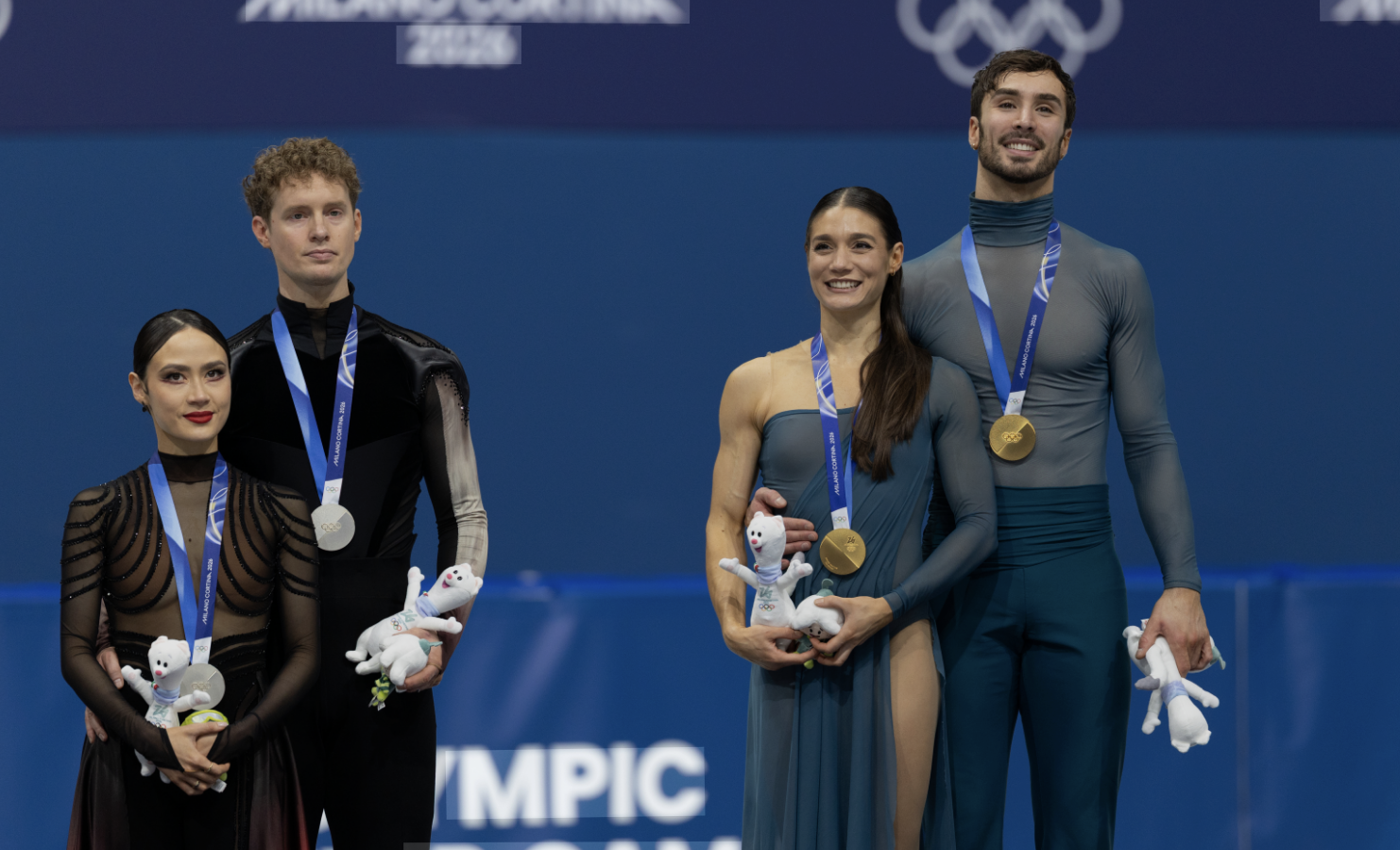
It's just such an attitude that the winners of the last three world titles have been consciously rejecting as they prepare to skate together in a fourth Olympics this February in Milan, Italy, where they would seek the one thing missing from their sparkling résumé: an ice dance Olympic medal (preferably a gold one.)

Read More

Madison Chock, Evan Bates shuck weight of past ice dance glories to seek more

Madison Chock, Evan Bates shuck weight of past ice dance glories to seek more

BOSTON — When the triumphs pile up, when you have been atop the field in your sport for more than two seasons, when you have been a medalist in national and world championships from your early 20s to your 30s, it is easy to become happy with what you have already accomplished in 14 seasons as competitors.

For those who become timeless champions, though, the Sisyphean but still fulfilling quest for perfection always endures.

So it is for U.S. ice dancers Madison Chock and Evan Bates, who came into the 2025 World Championships with an Olympic gold medal, six national titles and five world medals, the last two of them gold.

“Yes, we’ve accumulated some titles along the way, but it still feels like we’re still striving for excellence and looking for ways to improve ourselves,” Chock said in a recent interview.

Read More

At figure skating worlds, a U.S.-Canada ice dance story adds a chapter

At figure skating worlds, a U.S.-Canada ice dance story adds a chapter

The two couples have both been in the same ice dance universe for 14 seasons, with each moving at a different trajectory and speed toward the shiny medals that once seemed distant.

One team, Madison Chock and Evan Bates of the United States, got there faster and collected more medals of all colors and more of the most glittering.

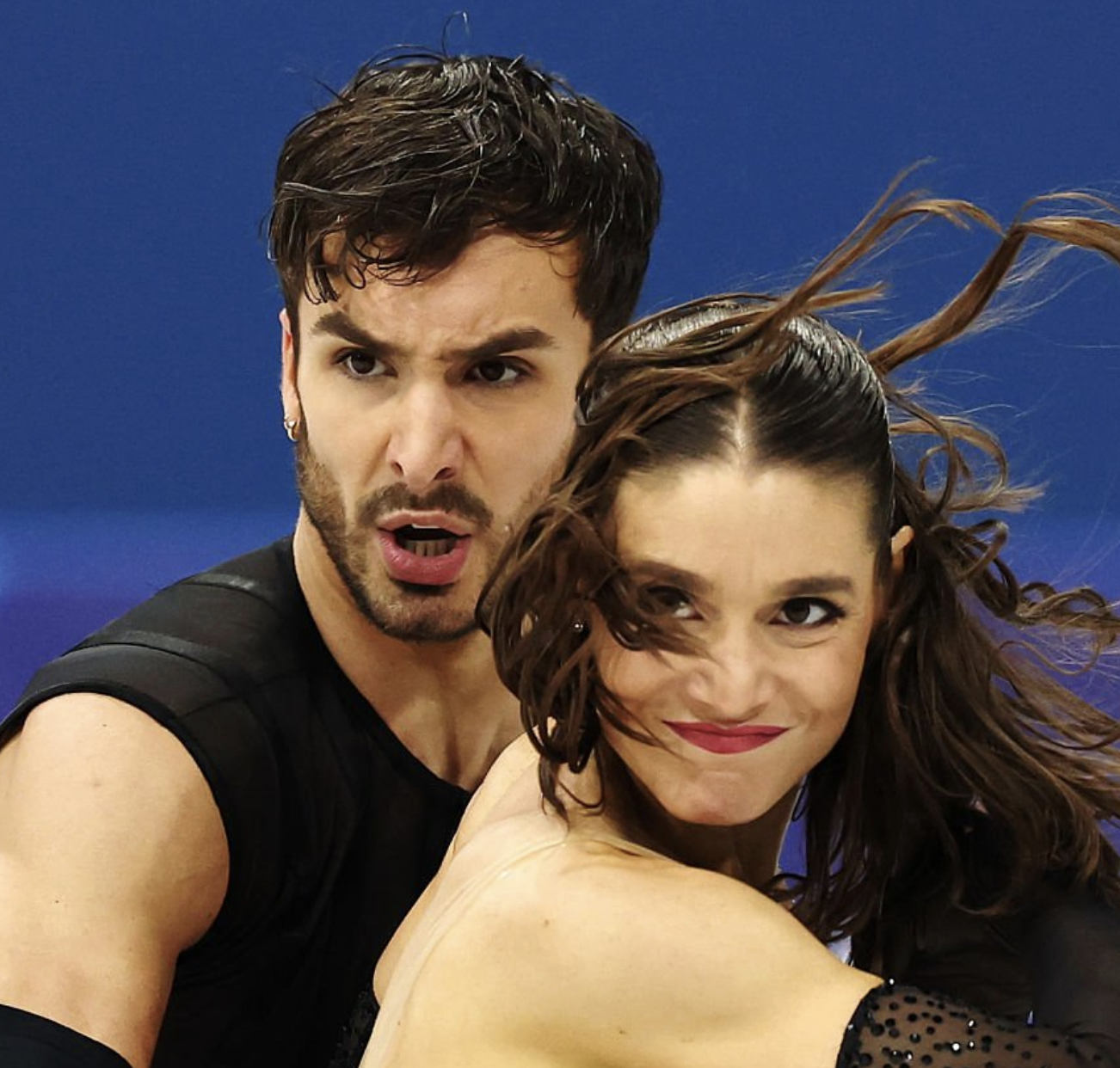
Yet as they and rivals Piper Gilles and Paul Poirier of Canada home in on the biggest and brightest medal of all, an Olympic gold, the gap between the two couples has narrowed to the point that who stands on the top step of the podium at the 2026 Winter Games is almost impossible to predict.

Even the results of the 2025 World Championships that began Wednesday in Boston likely will not be enough to make one couple the decisive favorite next year in Milan, Italy.

Read More

They sparked two decades of U.S. ice dance excellence

They sparked two decades of U.S. ice dance excellence

Not long after Ben Agosto switched from singles skating to ice dance at age 10, he faced up to the reality that winning medals on a global stage might be impossible for a U.S. ice dancer.

Why wouldn’t he think that way, given the evidence?  After all, one of his first coaches, Susie Wynne, had retired from competition after finishing fourth at the 1990 World Championships with Joe Druar, having decided, as she puts it, “We had topped out.  That was the best we could do.”

That fourth place would, in fact, be the best finish for a U.S. team at worlds over nearly two decades since Judy Blumberg and Michael Seibert won their third straight world bronze in 1985, a span in which Soviet and Russian teams won 15 of 18 world titles, four of five Olympic titles and nine of 15 Olympic medals.

Until Agosto and Tanith Belbin ended that drought in 2005.

Read More