With four Olympic medals, Kaori Sakamoto didn't need gold to cement her legacy

With four Olympic medals, Kaori Sakamoto didn't need gold to cement her legacy

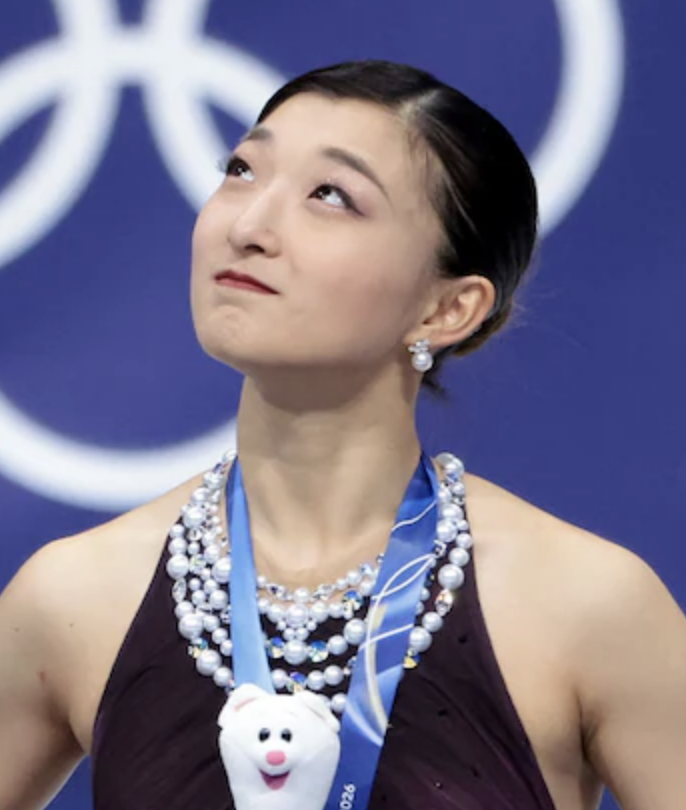
Kaori Sakamoto knew well before the scores were announced. She skated off the ice Thursday night at the Milano Ice Skating Arena with a glum expression on her face. She could sense that the one jump she couldn’t pull off in her free skate was going to keep her from the gold medal.

Alysa Liu, the soon-to-be champion, got up from the leader’s chair as soon as Sakamoto left the ice surface. Liu hugged Sakamoto tight and long. A tear worked its way slowly down Sakamoto’s right cheek. More tears would flow later from the most decorated women’s figure skater in Japanese history.

“I really wanted to skate perfectly here,” Sakamoto said via an interpreter. “Knowing that I couldn’t, and it was the difference for the gold, was painful. I couldn’t stop the tears.”

This was her third and last Winter Olympics. The second, four years ago, had also ended in tears so strong her body shook as she wept. Those tears looked like a mixture of happiness over winning what she calls “a miracle” bronze medal and relief over simply surviving the chaos surrounding the women’s singles event in Beijing.

Read More
Alysa Liu is the champion who can't stop smiling

Alysa Liu is the champion who can't stop smiling

You write this screenplay for a biopic about a figure skater and take it to Hollywood.

You start with a kid whose immigrant father puts her on the ice at age 5. You skip ahead to show her as a 13-year-old beating adults to win national titles when she is too young to compete at even the junior level internationally. You get her to the 2022 Winter Olympics in Beijing when she is just 16.

You have her retire a few months later because she hates a sport that is no longer what she wants to do, hates that it has consumed her life.

You have a great section where she tosses her skates into a closet, where they stay while she hangs out with her friends and four siblings and starts college. Then you watch her take them out 18 months later, go to a rink and land a triple jump as if she never had been away. You see her convince her old coaches to take her back because she wants to compete again — on her terms, not someone else’s.

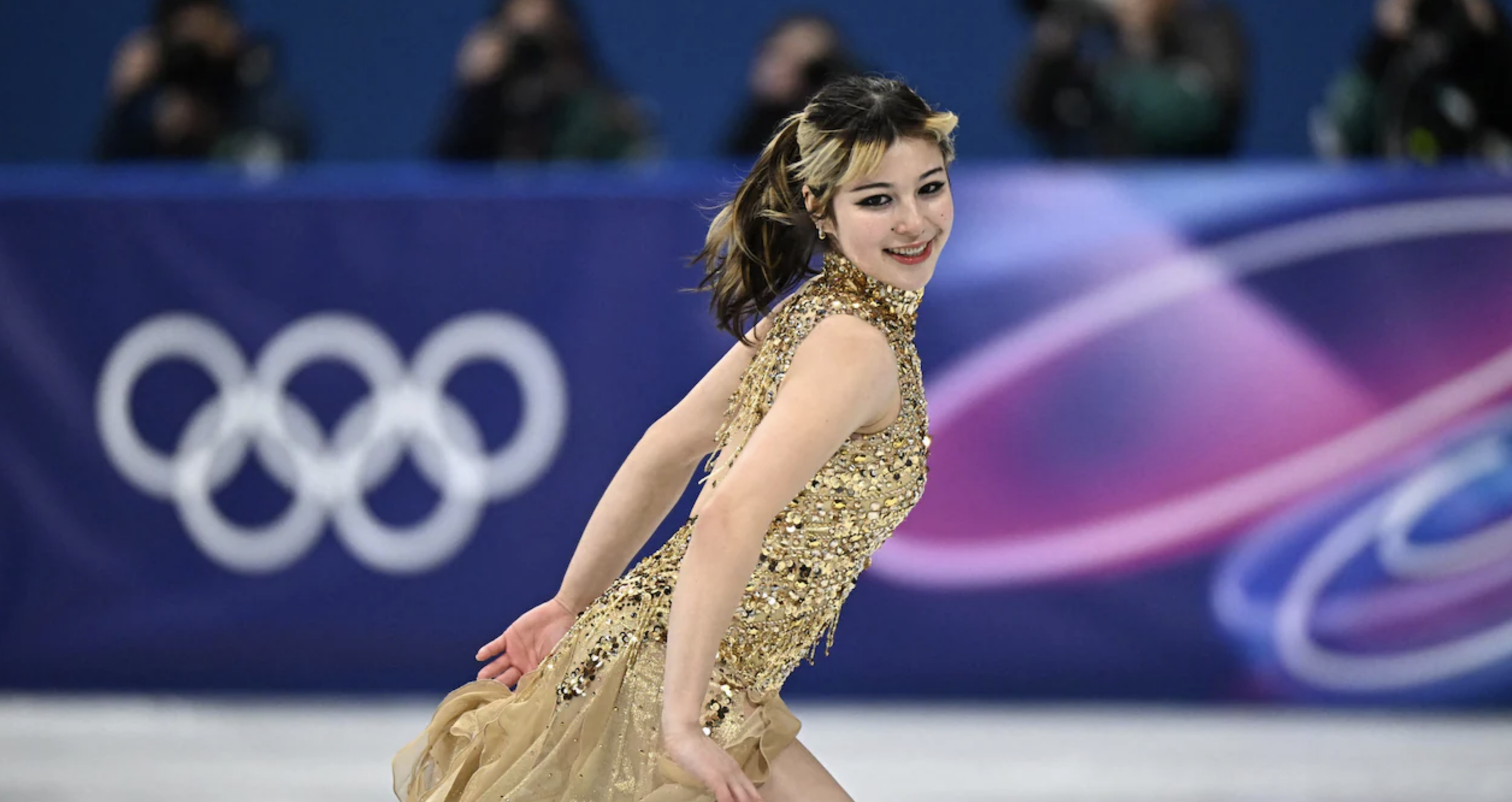
You make the kid who once saw her sport as a grim exercise to be endured turn into a young woman who can’t stop smiling as she skates and practices skating and, heck, maybe even as she sleeps.

And that’s not even the half of it (don’t forget the spies) before you get to the final scene.

Read More

In pairs skating, Deanna Stellato-Dudek succeeds in 10-year quest

In pairs skating, Deanna Stellato-Dudek succeeds in 10-year quest

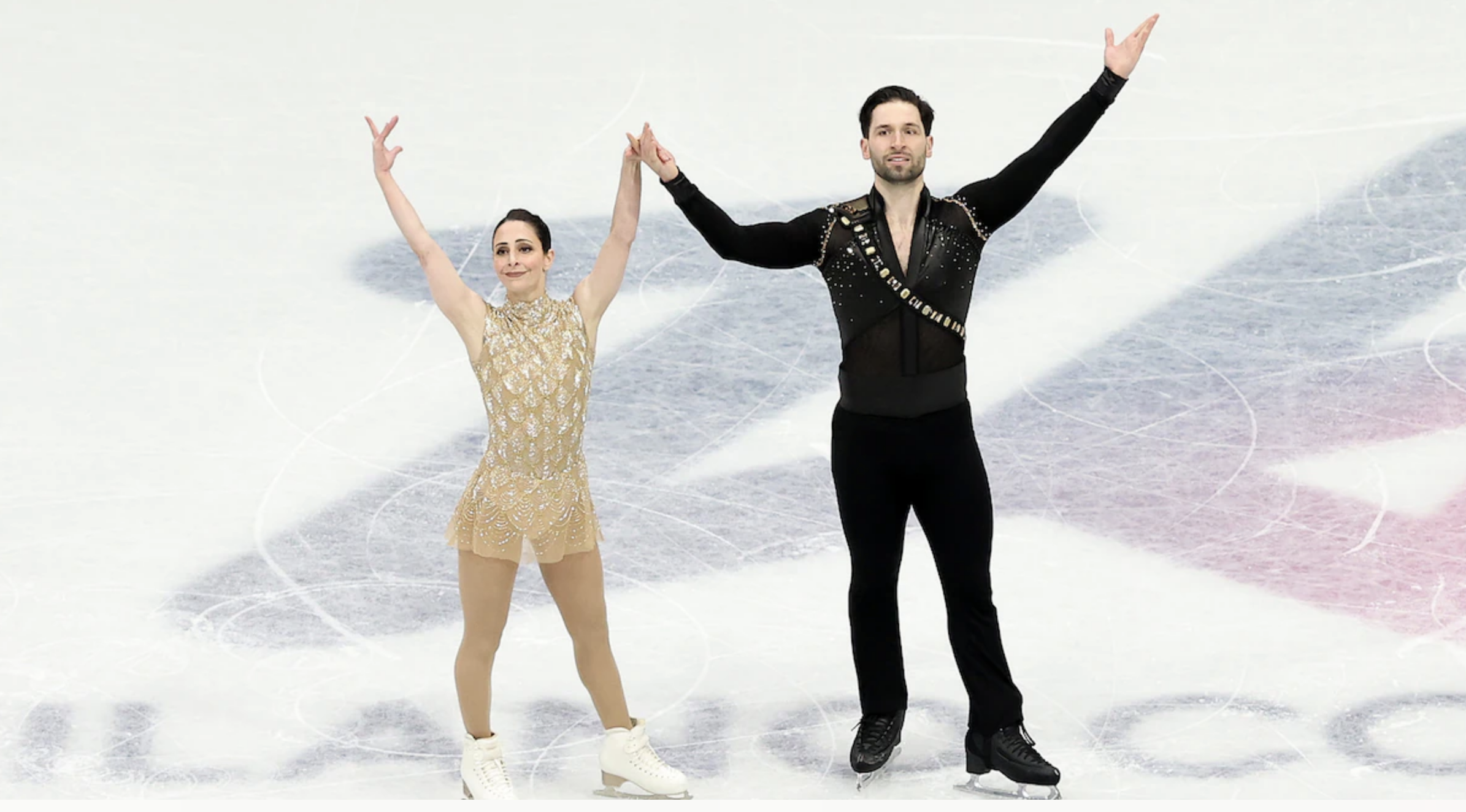
The results will tell you that Deanna Stellato-Dudek and Maxime Deschamps of Canada finished 14th of 19 teams in Sunday’s pairs short program at the 2026 Winter Olympics.

The results won’t tell that just by skating, Stellato-Dudek had succeeded in what seemed an utterly quixotic quest when she began it 10 years ago, that she had realized an improbable dream that nearly became an impossible one two weeks ago.

Stellato-Dudek, of course, couldn’t see it quite that way right now. The fierce competitive fire that carried her and Deschamps to the world title two years ago won’t be entirely banked by knowing that at age 42, she had become the oldest woman to compete in Olympic figure skating since 1928 and the third oldest in history, according to Olympedia.org.

Read More

Team USA's path to Olympic figure skating team gold was full of surprises

Team USA's path to Olympic figure skating team gold was full of surprises

This time, the Olympic figure skating team event is over when it was over.

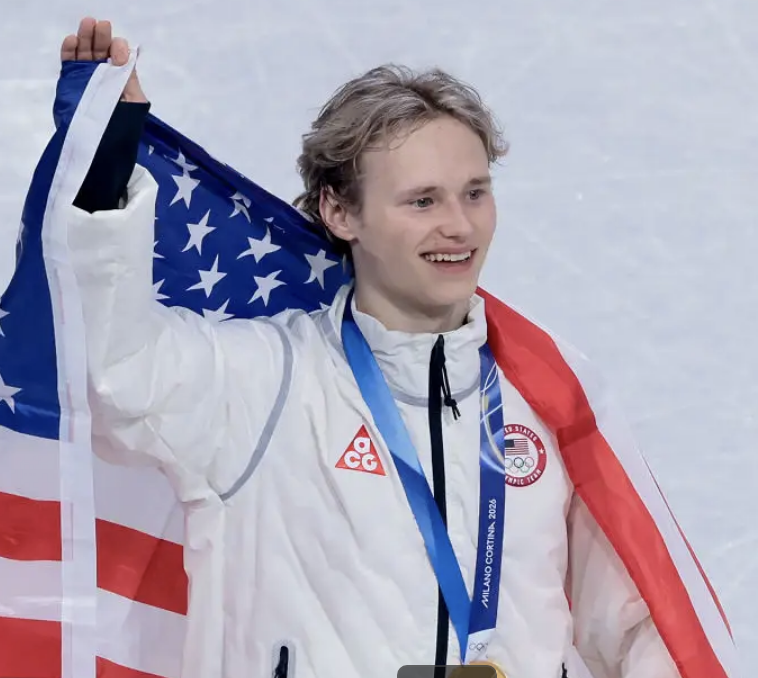
Team USA claimed a second straight gold, and the medals were hung around the necks of the seven U.S. skaters who took part in the team event barely 30 minutes after the competition ended at the Milan Ice Skating Arena.

And it wasn’t over until it was over, coming down to a thrilling head-to-head contest between the final two men’s singles skaters — Ilia Malinin of the U.S. and Shun Sato of Japan.

“I was more nervous watching Ilia than I was skating myself,” said U.S. captain and pairs skater Danny O'Shea.

Malinin had lost the short program decisively to Japan’s Yuma Kagiyama, who was replaced for the free skate by Sato, recently stronger in the longer phase of events than Kagiyama. That left some doubt about how the Quadg0d would handle the free.

Read More

Maxim Naumov channels loss for powerful skate at nationals in Olympic bid

Maxim Naumov channels loss for powerful skate at nationals in Olympic bid

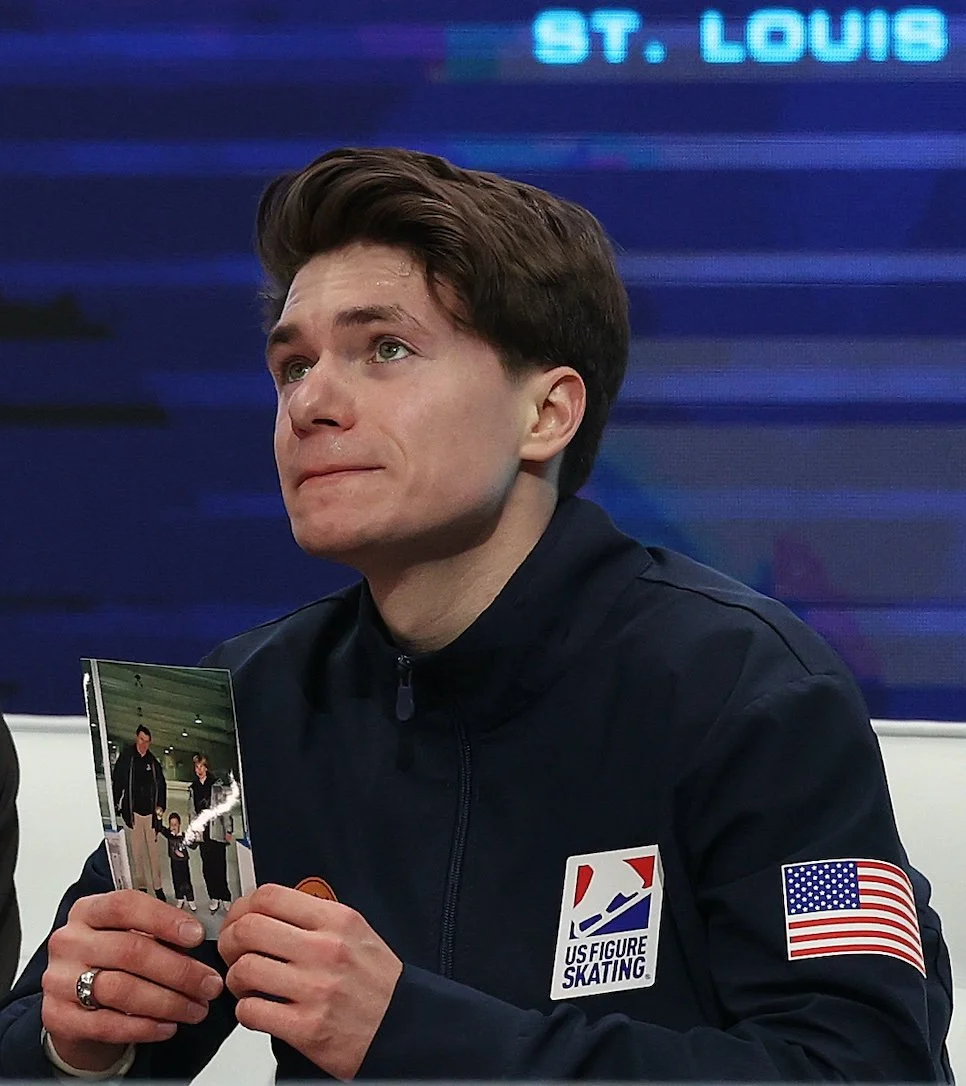
ST. LOUIS, Missouri – Maxim Naumov finished his short program and sat on a white sofa in the area where skaters wait to hear their scores.

With the cameras on him, Naumov held up a photograph of a little boy in white skates standing between two adults on an ice rink in Connecticut. Each adult was holding one of the little boy’s hands to prevent him from falling, the way parents do when their child needs support.

He kissed the photograph - once, twice, three times.

The little boy in the picture was Naumov, who was being introduced to the ice at about age 3.

The adults were his mother, Evgenia Shishkova, and his father, Vadim Naumov, the former pairs world champions and two-time Olympians who had been his coaches until last January 29.

That was the day Max's parents were among the 67 people who died when a U.S. Army helicopter hit their American Airlines jet, which crashed into the Potomac River near Washington, D.C.

Read More