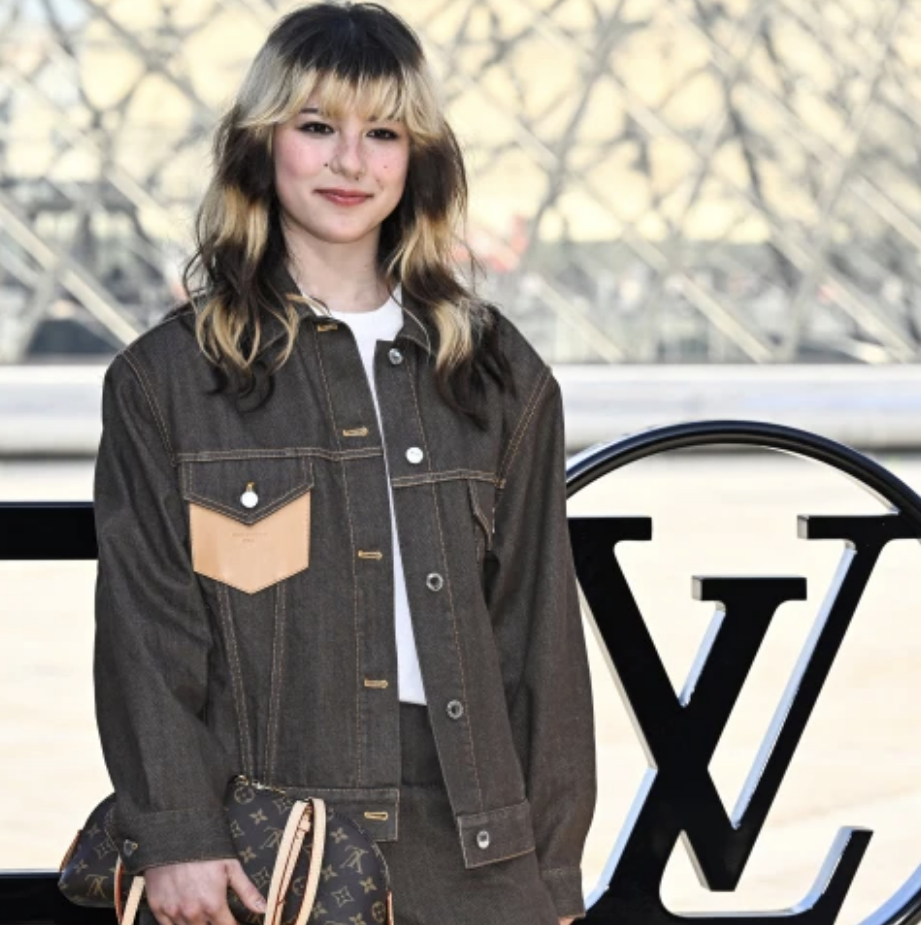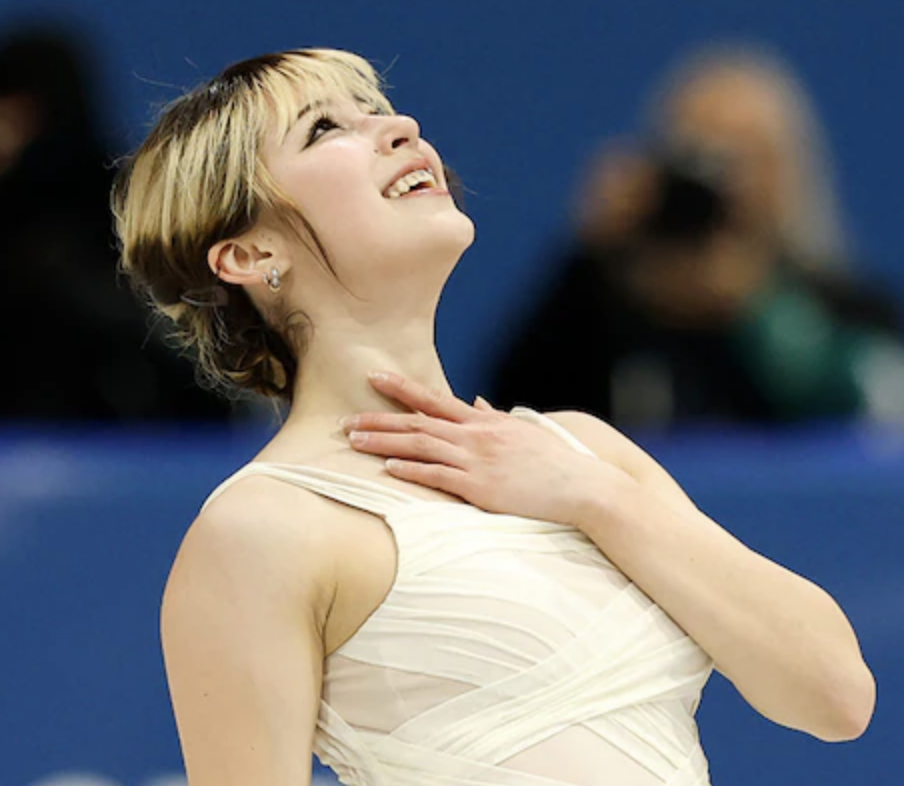
Alysa Liu's new reality: fame, fashion and the fast lane

Alysa Liu's new reality: fame, fashion and the fast lane

Phillip DiGuglielmo began to see the handwriting on the wall not long after murals of Alysa Liu went up in Oakland and suburban Los Angeles.

For two weeks after Liu won the Olympic women’s singles title Feb. 19 in Milan, she and DiGuglielmo, her coach, still planned on going to Prague later this month so she could defend her world title.

“I knew her training wouldn’t be optimal, but we’re used to that,” DiGuglielmo said by telephone. “But this was going to be far from optimal.”

He understood that it was time for Liu to optimize the things coming her way since she became a sensation at the Olympics.

“She is just exploding,” he said. “Even her agents are overwhelmed. You have to balance what is her opportunity to build her brand versus going to worlds.”

By last Friday, she and her team agreed it was best for Liu to withdraw from the World Championships.

Read More
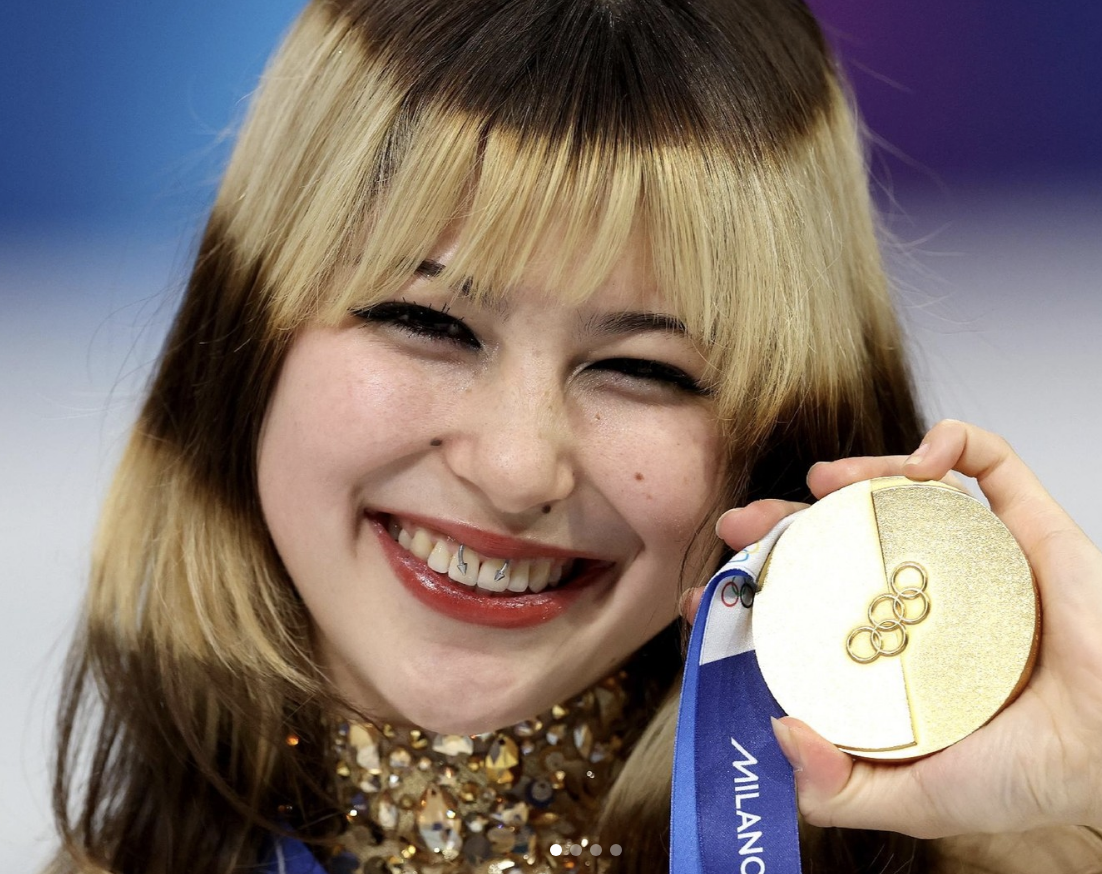
"She doesn't want to be famous. She wants to be Alysa."

"She doesn't want to be famous.  She wants to be Alysa."

Alysa Liu won two Olympic gold medals by doing things her way.

And, her coach says, Liu hopes to keep doing that once she leaves Italy on Sunday.

That’s why it’s probably a good thing that she has skating commitments to keep her busy for the next two months, including a trip to Prague to defend her world title in late March.

“No press tour right away, no nothing,” coach Phillip DiGuglielmo said Saturday via telephone from Milan, not long before Liu closed down the exhibition gala’s solo performances.

“We have to figure out how we are going to train (for worlds). We may have to ask the rink management (in Oakland, Calif.) to close the rink when she trains because of the attention she has gotten. “Dealing with that kind of attention is not what she wants now. She doesn’t want to be famous. She wants to be Alysa.”

Read More

With four Olympic medals, Kaori Sakamoto didn't need gold to cement her legacy

With four Olympic medals, Kaori Sakamoto didn't need gold to cement her legacy

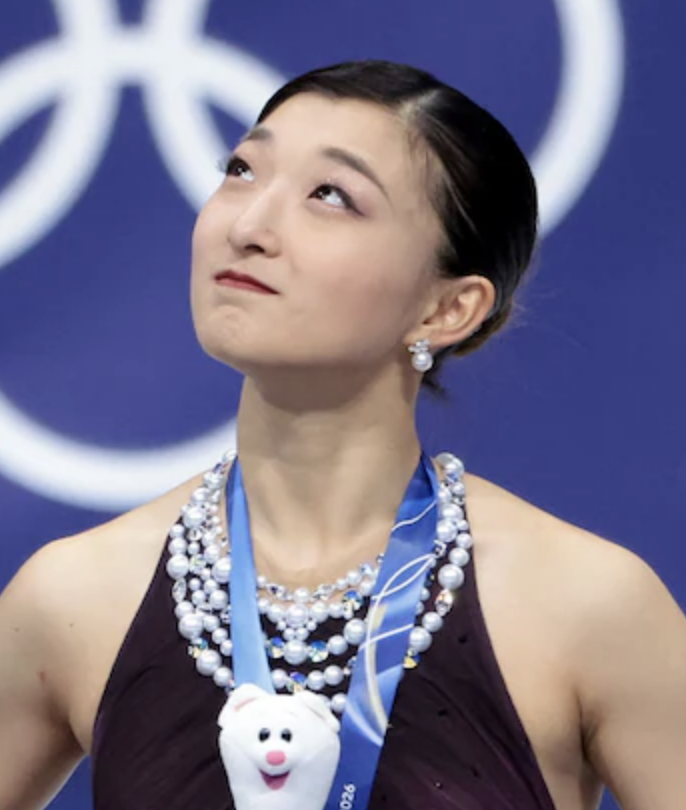
Kaori Sakamoto knew well before the scores were announced. She skated off the ice Thursday night at the Milano Ice Skating Arena with a glum expression on her face. She could sense that the one jump she couldn’t pull off in her free skate was going to keep her from the gold medal.

Alysa Liu, the soon-to-be champion, got up from the leader’s chair as soon as Sakamoto left the ice surface. Liu hugged Sakamoto tight and long. A tear worked its way slowly down Sakamoto’s right cheek. More tears would flow later from the most decorated women’s figure skater in Japanese history.

“I really wanted to skate perfectly here,” Sakamoto said via an interpreter. “Knowing that I couldn’t, and it was the difference for the gold, was painful. I couldn’t stop the tears.”

This was her third and last Winter Olympics. The second, four years ago, had also ended in tears so strong her body shook as she wept. Those tears looked like a mixture of happiness over winning what she calls “a miracle” bronze medal and relief over simply surviving the chaos surrounding the women’s singles event in Beijing.

Read More

Alysa Liu performed for the people, especially her family, in Olympic short program

Alysa Liu performed for the people, especially her family, in Olympic short program

Over the two seasons since Alysa Liu returned to figure skating, she has found happiness in performing for the audience rather than for the judges who decide what place she gets in competitions.

Because that audience for the 2026 Olympic short program included her four younger siblings, who had never been able to see their sister skate in either of the two phases of her career, Liu was even more overjoyed at the opportunity to perform for them.

She saw them, sitting with her father and her best friend, during the six-minute warmup that preceded her taking the ice as the first skater in the final group Tuesday night on Milan. She looked at them while heading into her double Axel jump and during her footwork sequence.

“I performed to the people and, like, they're right there, so I performed to them specifically,” Liu said. “It was a really cool moment.”

Read More

Many questions, few answers for Malinin in Milan

Many questions, few answers for Malinin in Milan

Ilia Malinin smiled broadly as he slapped hands with his father/coach, Roman Skorniakov, on the boards at the Milano Olympic Ice Center.

That was just before he skated to the center of the ice to begin his free skate Friday in the men’s singles event at the 2026 Winter Olympics.

No wonder he smiled. Malinin had a five-point lead over Japan’s Yuma Kagiyama after the short program. And his path toward an Olympic gold medal was seemingly clear of any obstacles after Kagiyama, skating before Malinin, made mistakes big and small on three of his first five jumping passes.

Malinin figured to be smiling even more broadly soon.

But when Malinin finished his four-minute free, he first masked his reaction by covering his face with his gloved hands.

He shook his head, lowered his eyes, shook his head again as he skated off the ice toward his father. Still out of breath, his mouth was open in a narrow rectangle. He shook his head one last time, each shake signaling that Malinin’s incomprehension was complete, just as it was for everybody who had watched him come undone.

Read More