French team defying timelines for ice dance success

French team defying timelines for ice dance success

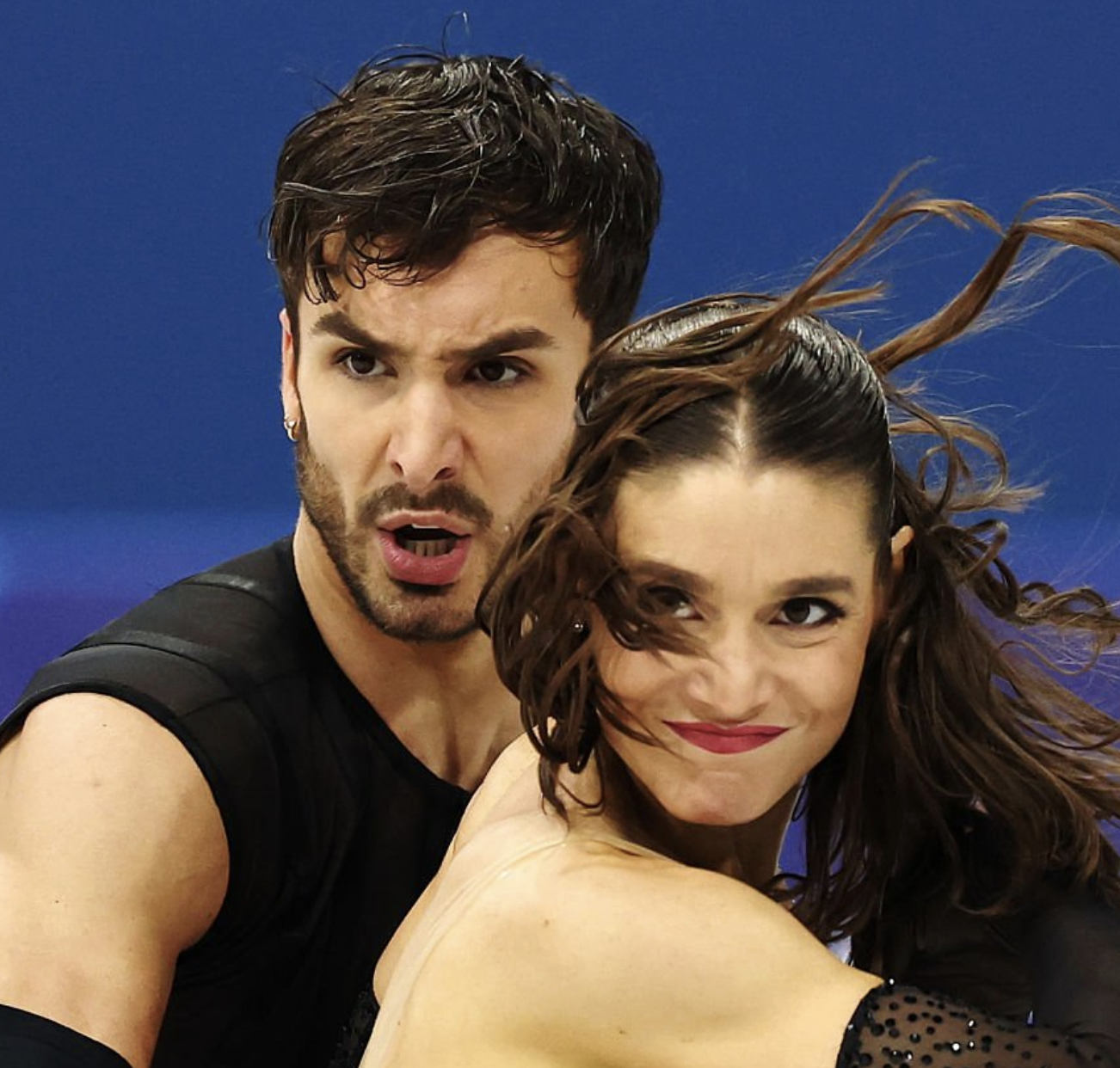
It’s not supposed to happen this way in ice dance, having two skaters who teamed up less than a year ago leading the Olympics after the rhythm dance.

After all, the last three Olympic champions all had skated together seemingly forever, beginning when they were children: 18 years for 2022 gold medalists Gabriella Papadakis and Guillaume Cizeron of France; 21 years for 2018 winners Tessa Virtue and Scott Moir of Canada; 17 years for 2014 winners Meryl Davis and Charlie White of the United States.

"Longevity is incredibly important because of how complex both the training relationship and competitive relationship is, especially in ice dance, since the elements are so nuanced, and there’s so much relying on the performance and emotional chemistry," Ben Agosto, 2006 Olympic silver medalist with Tanith (Belbin) White, told me when Papadakis and Cizeron won.

And yet here we are, with Cizeron and his new partner, freshly minted French citizen Laurence Fournier Beaudry, beating three-time reigning world champions Madison Chock and Evan Bates of the United States by two whiskers in Monday’s opening phase of the 2026 ice dance event. It concludes with the free dance Wednesday.

Read More
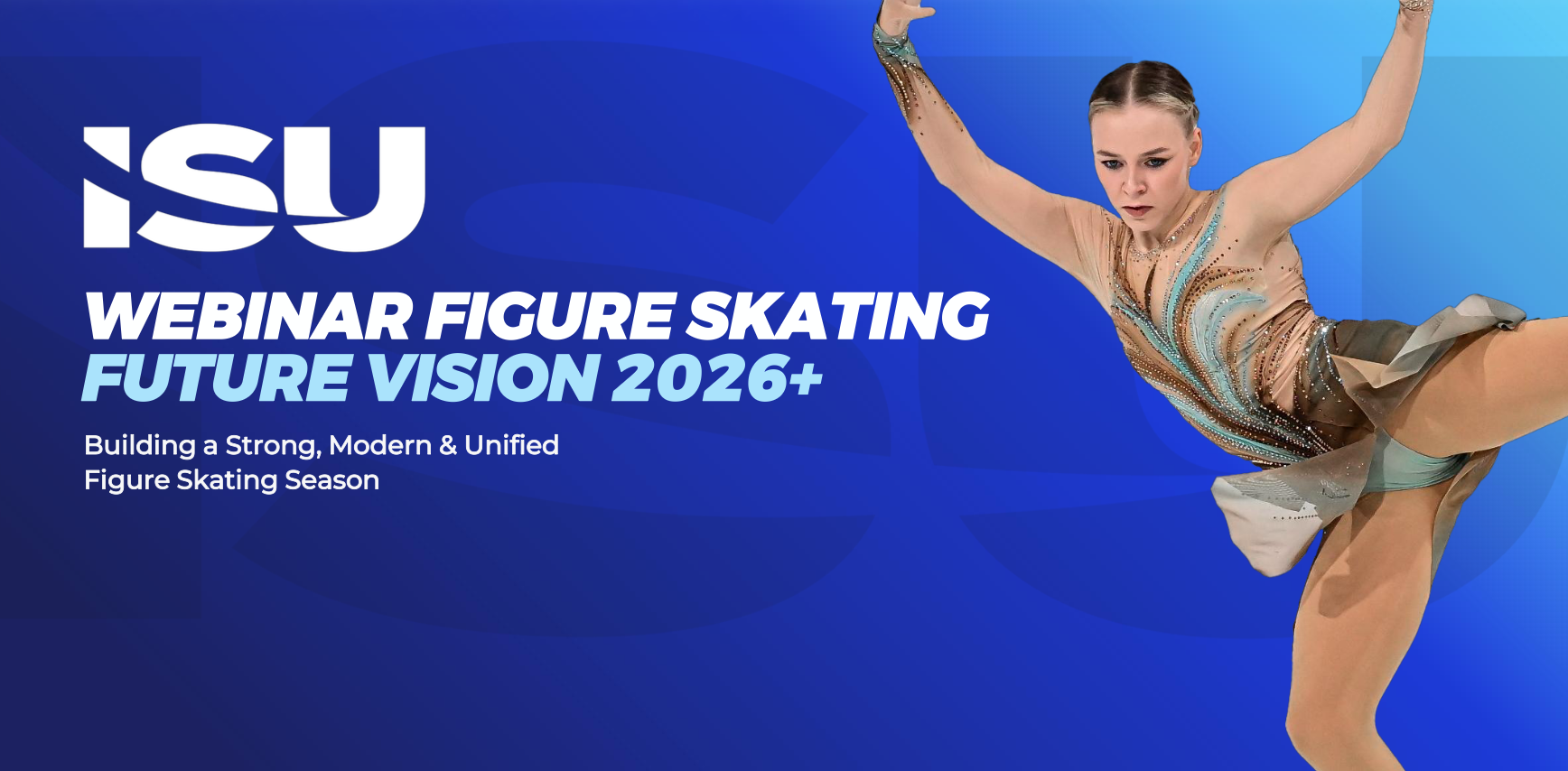
Figure skating officials weigh major changes in rules, schedule

Figure skating officials weigh major changes in rules, schedule

nternational figure skating federation officials are weighing changes in competition rules that would alter the sport radically, including a potentially dramatic reduction in jumps in singles events.

And the federation’s governing board, the International Skating Union (ISU) council, has already supported significant changes to the figure skating season schedule and Grand Prix format to take effect in the 2027-28 season.

All this is still in discussion stages but moving forward. Under the new ISU Constitution, the 14-member council (rather than the biennial ISU Congress) has the “ultimate authority to adopt, amend or repeal” competition and event regulations and sports rules.

Read More

For Isabeau Levito, once No. 1, the perspective is different

For Isabeau Levito, once No. 1, the perspective is different

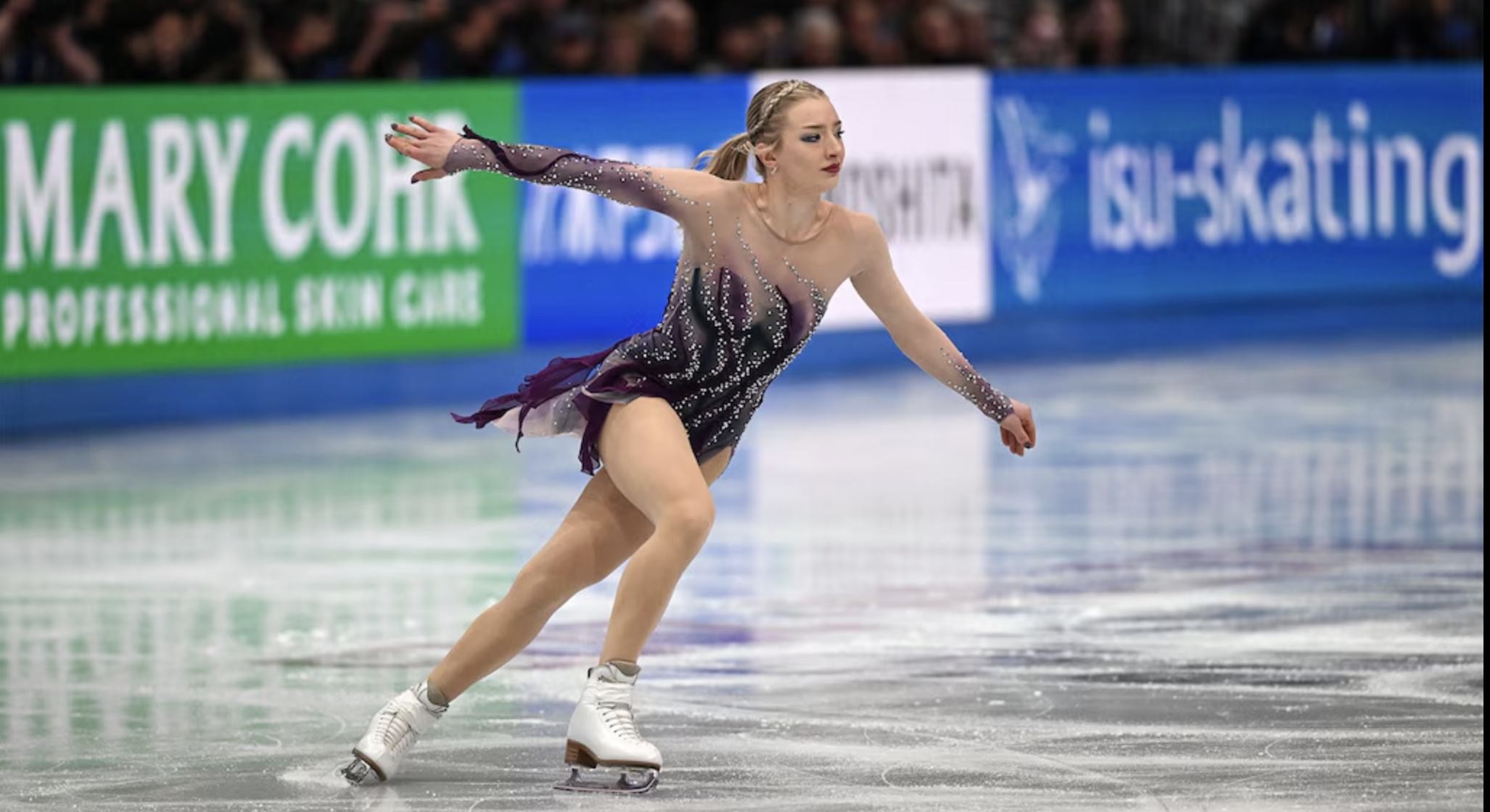
ST. LOUIS, Missouri — This was going to be Isabeau Levito’s Olympic quadrennium, a four-year span in which she would become the leading lady of U.S. Figure Skating and smoothly glide past markers on the way to the 2026 Winter Games in her mother’s hometown of Milan.

After all, Levito, now age 18, had made the podium in her senior national debut four years ago, winning bronze after taking second in the free skate. At that point, she was below the Olympic age minimum.

By five months after the 2022 Winter Olympics in Beijing, all three women on the U.S. team in China had retired from competition.

A year later, Levito won the short program and the free skate at the 2023 U.S. Championships, seemingly establishing her national dominion with her balletic skating.

“She was having her moment, and since then she has been up and down,” said Adam Rippon, 2018 Olympic team event bronze medalist and an NBC contributor.

Read More

Ilia Malinin tops himself - and skating's record books - once again

Ilia Malinin tops himself - and skating's record books - once again

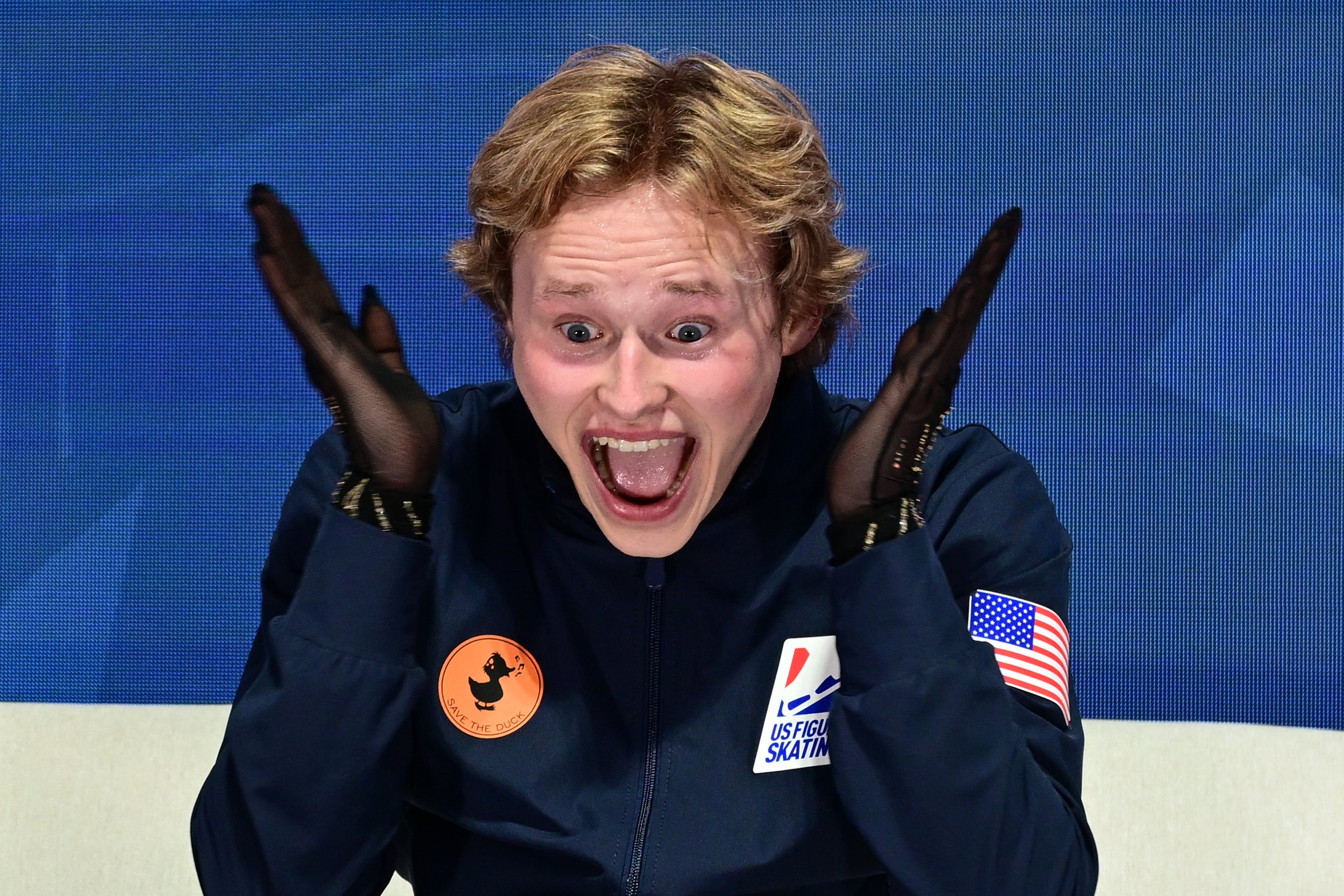
I was tempted to take the last column I wrote about Ilia Malinin, change a few numbers and use that to describe what Malinin did Saturday in the men’s free skate at the Grand Prix Final in Nagoya, Japan.

This is how that Nov. 2 story began:

“There comes a point in the careers of some extraordinary athletes when they are competing against only themselves and the record books.”

And Malinin beat the record books again, even after making the men’s competition more interesting when a sloppy short program left him 16 points behind Japan’s Yuma Kagiyama.

Malinin overcame that with a quadruple jump array that never before had been used successfully in a skating event. And that is worth a fresh look.

Read More

Amber Glenn aims to defend Grand Prix Final title, free of fear

Amber Glenn aims to defend Grand Prix Final title, free of fear

The old Amber Glenn might have come undone by what happened during the six-minute warmup for the short program at the Finlandia Trophy Grand Prix event.

Glenn competed in Finland just eight days after undergoing a root canal procedure. And she still was getting antibiotics for a sinus infection that had lingered since summer, with the medicine making her feel tired.

And then she popped her two attempts at her most difficult jump, the triple Axel, in the warmup. Popping – doing a single rotation rather than three - can shake any figure skater’s confidence.

About 45 minutes later, Glenn took the ice for her short program, opened by nailing the triple Axel and went on to win that phase of the competition with her season-best score.

“That was 100% the new Amber,” said Damon Allen, her coach, via telephone.

Read More